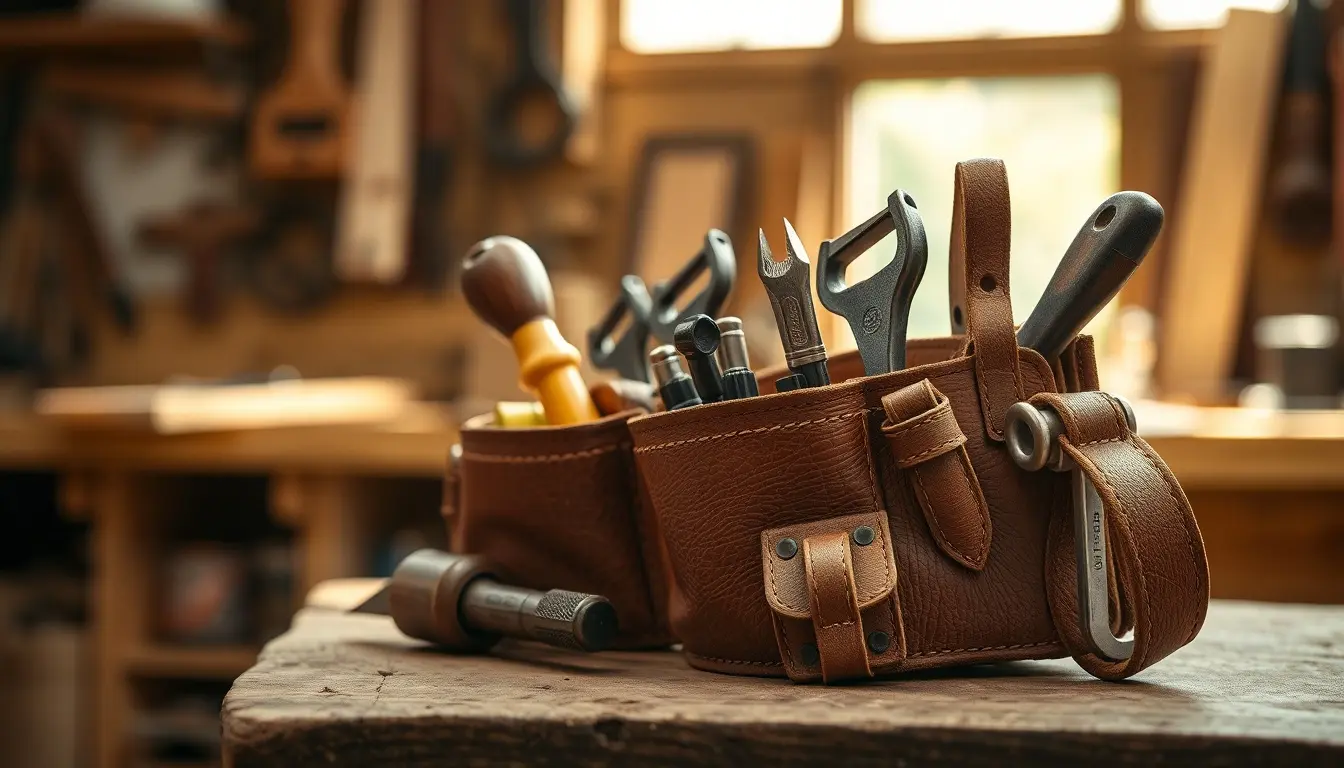
If you've ever spent ten minutes hunting for a screwdriver that you just had in your hand, you know the frustration. Whether you’re a pro contractor or a weekend warrior tackling a deck project, a leather tool belt is more than just an accessory—it’s your mobile command center. But let's be real: not all leather is created equal.
I’ve spent years handling everything from Italian calfskin wallets to heavy-duty work hides, and I can tell you that a tool belt needs a completely different kind of soul. It needs to be tough, responsive, and ready to take a beating. In this guide, we’re going to dive deep into how to choose the right one, what to look for in terms of quality, and why real leather wins over nylon every single time.
Why Real Leather is the King of the Job Site
You might see those bright, multi-colored nylon belts at the big-box stores. They're cheap, sure. But in the world of tools, "cheap" often translates to "replacing it in six months." Here is why I always steer my friends toward genuine leather or, ideally, full-grain options for their gear.
- The "Molding" Factor: Over time, leather breaks in. It starts to contour to your hips and the specific way you reach for your hammer. It becomes an extension of your body.
- Durability: High-quality leather doesn't tear when a sharp chisel or a rogue nail catches it. It might scratch, but that just adds to the patina.
- Weight Distribution: A thick leather belt provides a level of lumbar support that flimsy synthetic materials just can’t match.
If you're looking for more general leather accessories to complement your kit, feel free to browse our Leather Wallets and Small Accessories section for everyday carry ideas.
The Lineup: Top Leather Tool Belt Styles for Every Task
I've scouted some interesting options that offer a balance of style and function. While these might not be the $400 heirloom belts passed down through generations, they are fantastic "workhorse" pieces for those who want quality without the soul-crushing price tag. I’ve linked some well-reviewed options on AliExpress—just remember to peek at the latest material descriptions and buyer photos before you pull the trigger!
Utility Leather Tool Belt
This brown utility belt is a classic "starter" for any DIYer. It features reinforced pockets and a comfortable width that doesn't dig in when you're crouching. It’s a solid way to test out if a full belt setup works for your workflow.
View on AliExpress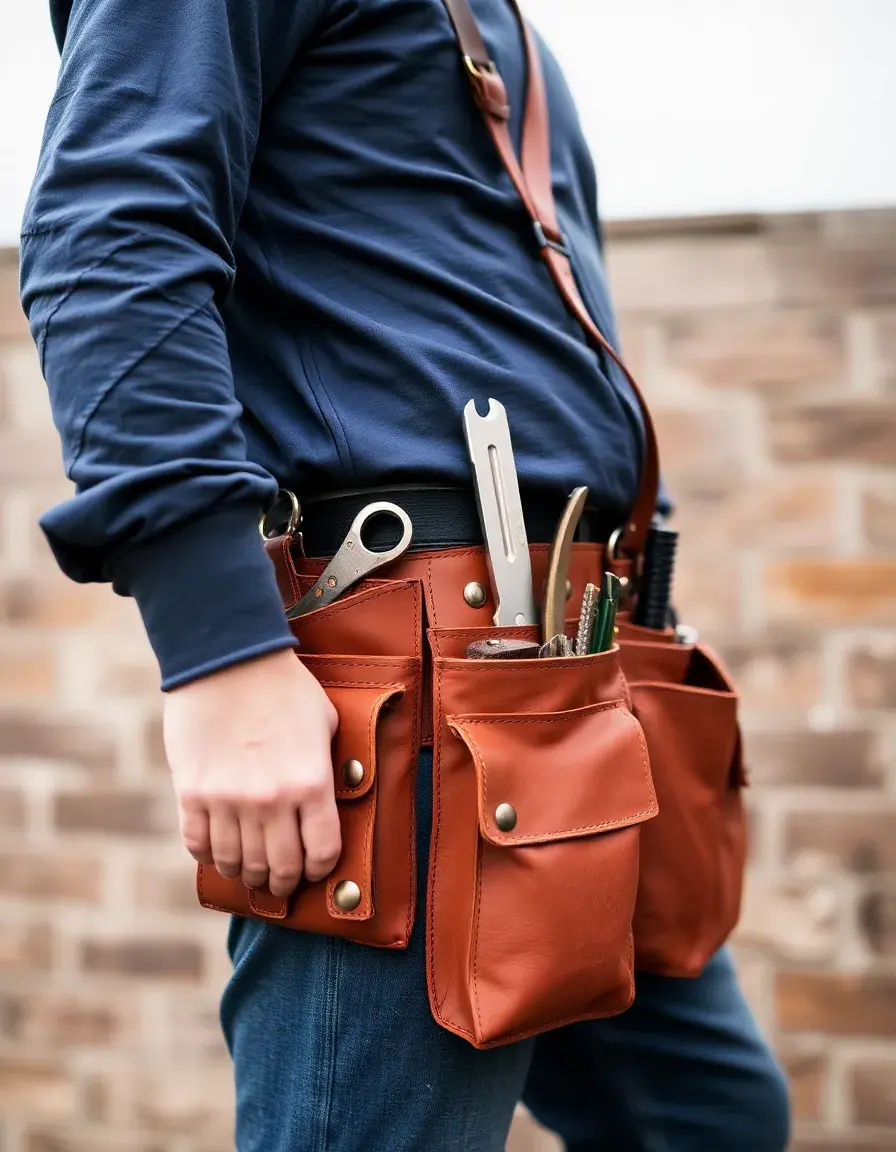
Carpenter Leather Tool Pouch
If you're swinging a hammer all day, you need a dedicated pouch. This black leather version is designed for easy access. I love the contrast of black leather—it hides grease and oil stains much better than lighter tans.
View on AliExpress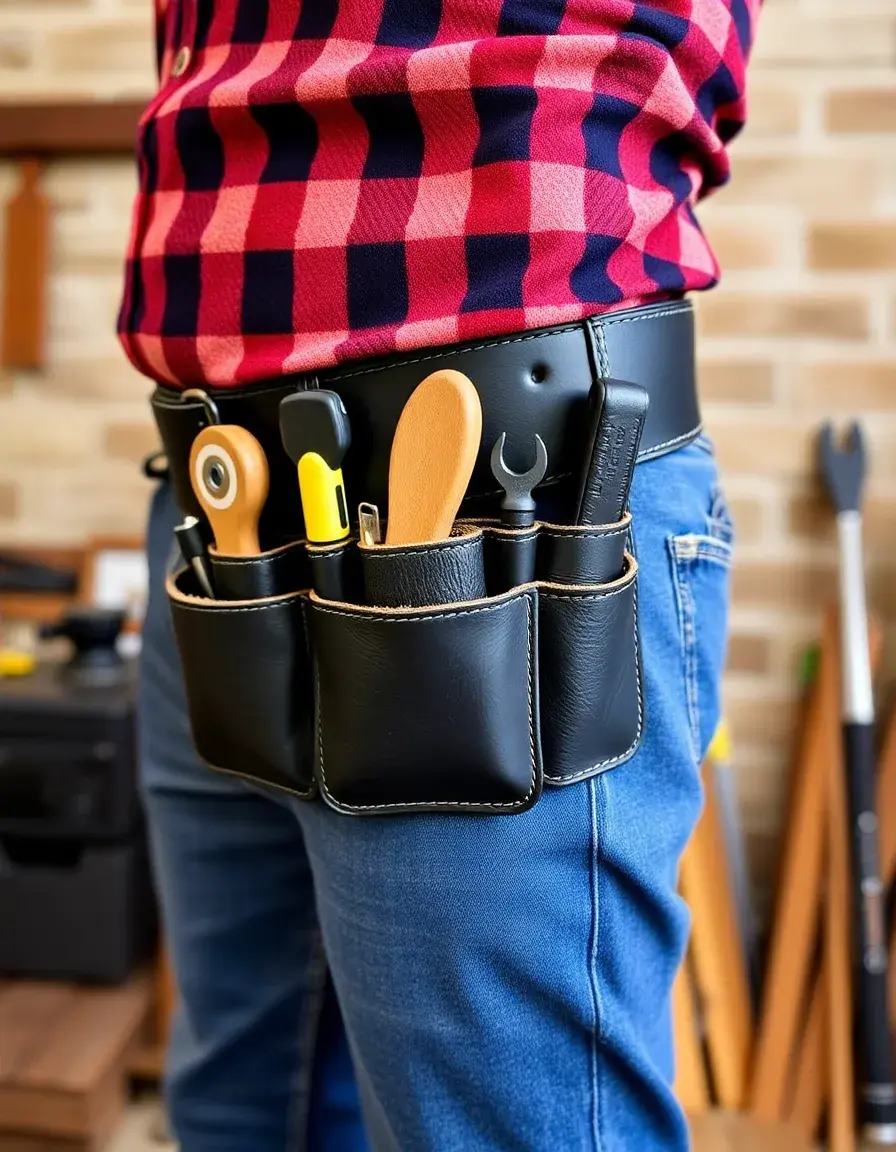
Electrician Leather Tool Belt
Electricians have a lot of small hand tools. This gray specific belt is great for keeping your pliers, testers, and wire strippers organized. The gray tone is a unique, modern twist on traditional leather gear.
View on AliExpress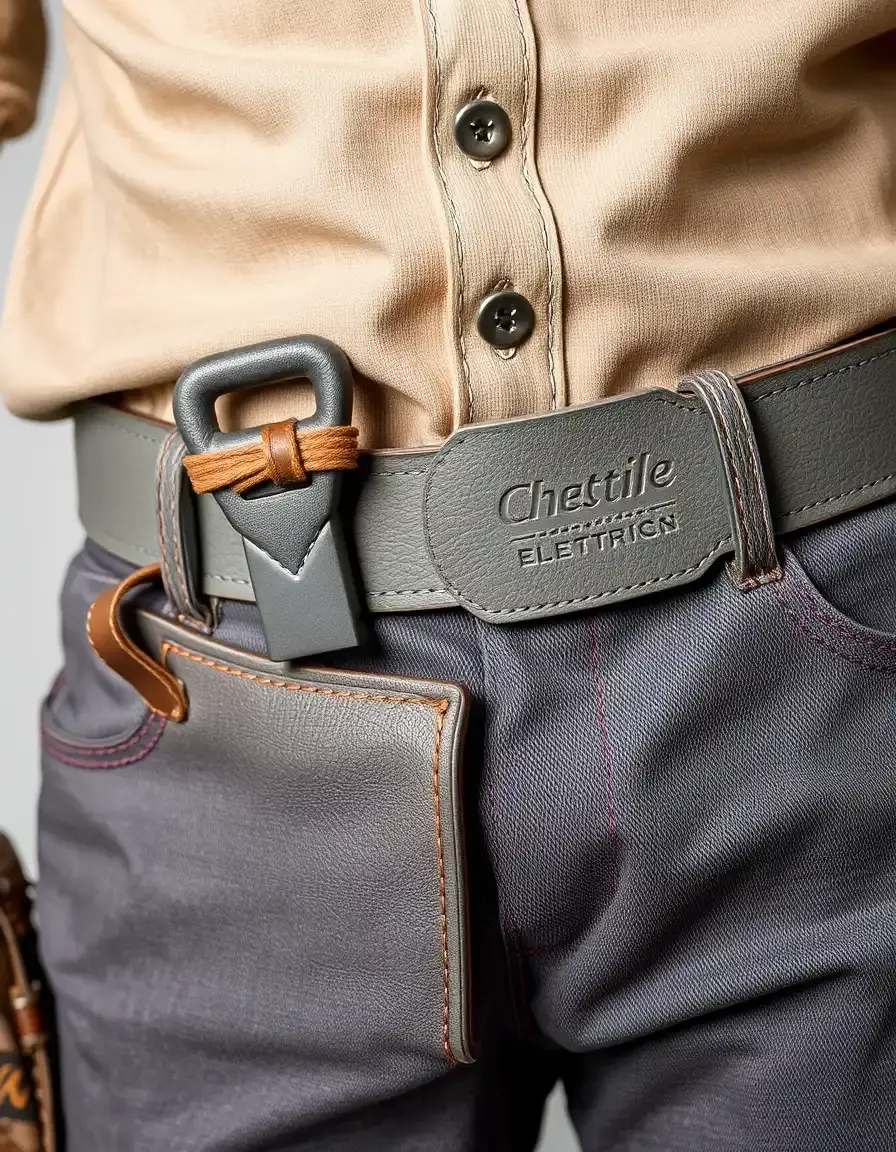
Full-Grain vs. Top-Grain: What's the Real Deal?
When you're reading a leather buying guide, you'll see these terms tossed around like confetti. Let’s break it down so you don’t get bamboozled. Full-grain leather is the top layer of the hide, including all the natural grain. It’s the strongest part. Top-grain leather has been sanded down to remove imperfections, making it thinner and more flexible, but slightly less durable.
For a tool belt, you want thickness. Look for "oil-tanned" leather. This process infuses the hide with oils and waxes, making it weather-resistant. If it feels a bit stiff at first, that’s actually a good sign—it means there's plenty of "meat" to that leather that will soften and custom-fit to you over time.
Gardener Leather Tool Apron
Not all "tool work" happens in a garage. This cognac-colored apron is perfect for the garden or light workshop tasks. It protects your clothes while keeping your shears and twine within reach. This is a great example of a fashion-forward but functional leather piece.
View on AliExpress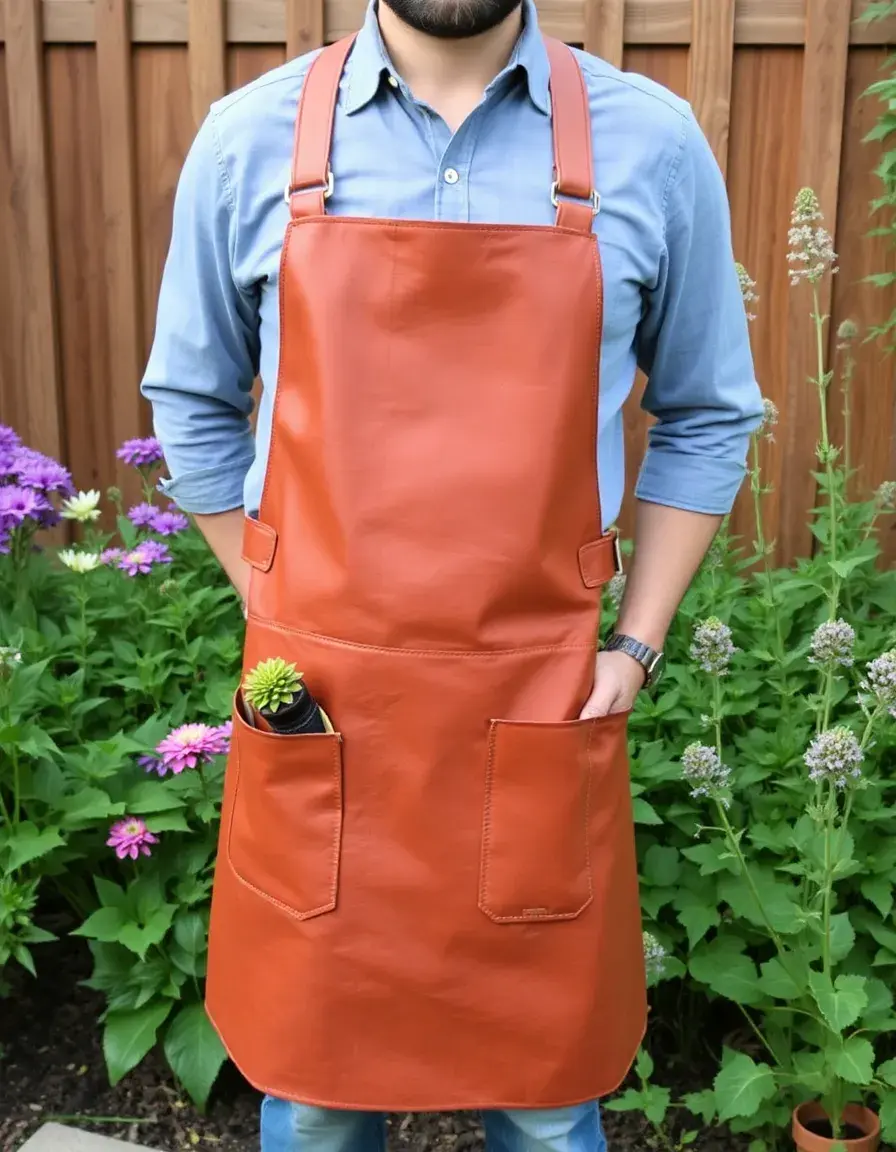
How to Spot High-Quality Craftsmanship
Since we can't always touch the leather through a screen, we have to play detective. When you're looking at product photos, keep these leather care tips and quality markers in mind:
- The Hardware: Look for solid brass or steel buckles. If the buckle looks like shiny, thin plastic-metal, skip it. You don't want your belt snapping when it's loaded with 15 lbs of gear.
- Stitching: Double-stitching or heavy-duty nylon thread is a must. Even better? Rivets at the stress points (the corners of the pockets).
- Edge Finishing: Are the edges raw and "hairy," or are they burnished/painted? Burnished edges show a higher level of attention to detail.
Heavy Duty Leather Tool Holder
This red leather holder is built for the heavy stuff. It’s bold, it’s thick, and it’s meant for the pros who carry heavy drills or wrenches. Red leather is rare in the tool world, making it a great conversation starter on site.
View on AliExpress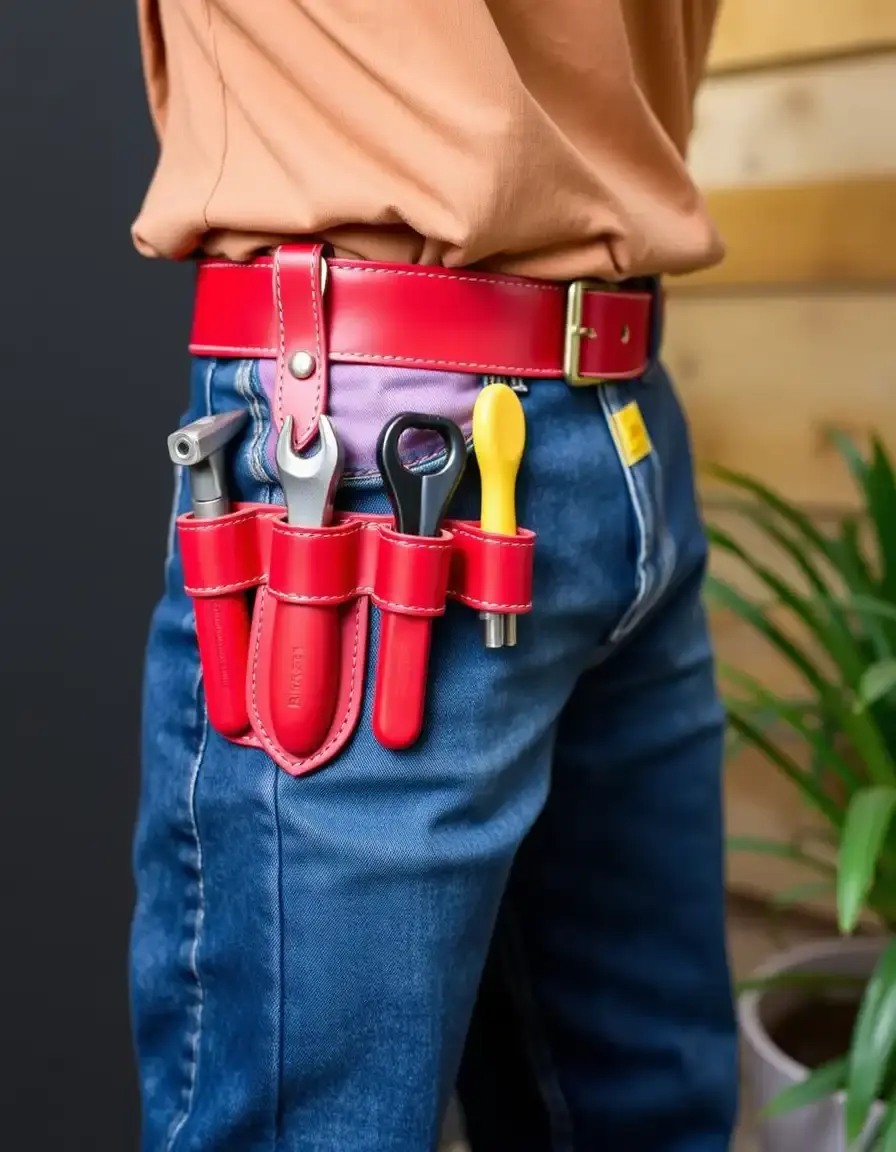
A Note on Buying from AliExpress
I love AliExpress for trend-testing and finding affordable alternatives. Is it the place to buy a $500 heirloom saddle? Probably not. But for a stylish leather tool belt that looks great and handles moderate DIY work, it's a goldmine. Just a friendly tip: always check the most recent reviews. Look for photos posted by other buyers—they'll show you exactly how the leather looks in natural light, not just the polished studio shots.
Multi-Pocket Leather Tool Belt
If you like the "everything but the kitchen sink" approach, this blue multi-pocket belt is for you. It’s designed for maximum storage capacity. It’s a great example of how modern tanning can produce vibrant colors without sacrificing the leather's utility.
View on AliExpress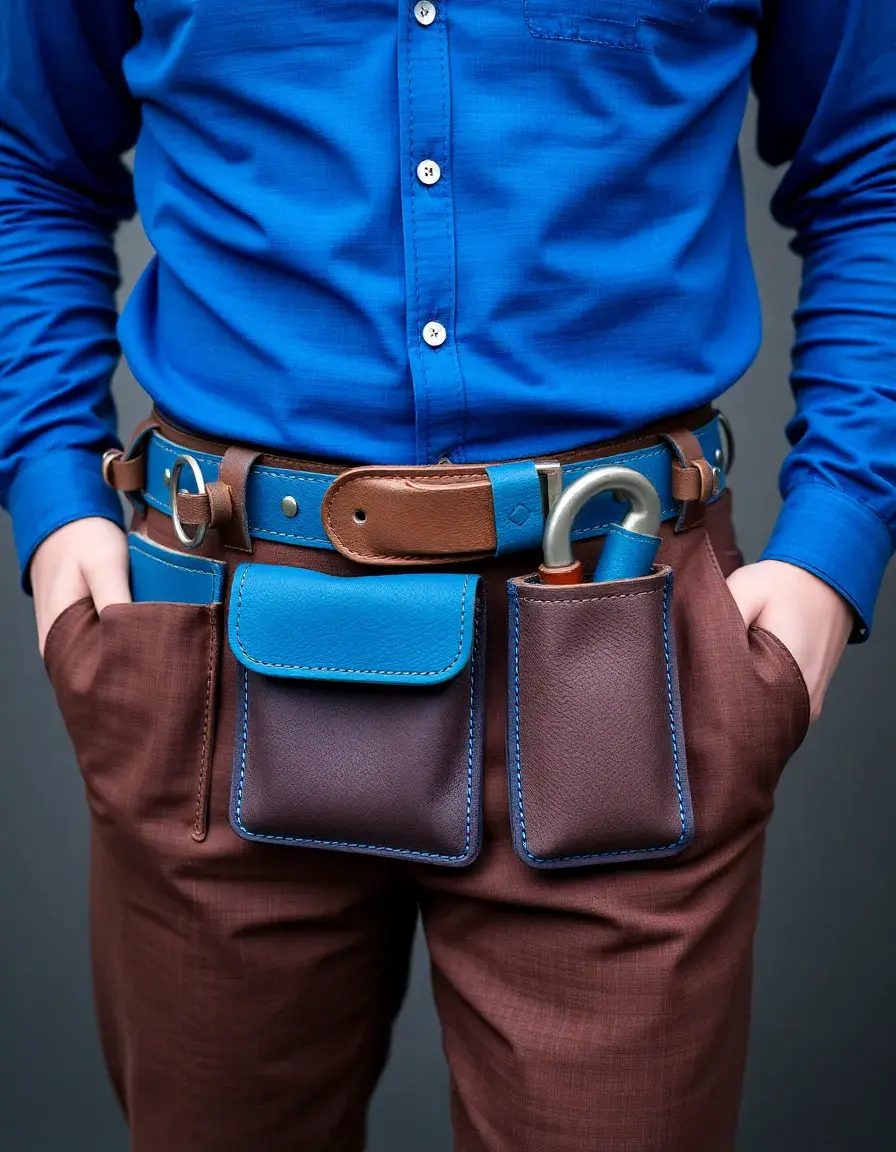
Leather Care 101: Making Your Belt Last a Decade
Once you've chosen your belt, don't just throw it in the back of the truck and forget it. A little love goes a long way. (Pro tip: condition your leather twice a year—it prevents cracking and keeps the fibers strong).
- Keep it Clean: Use a damp cloth to wipe off sawdust or mud. Don't let gunk sit in the creases.
- Conditioning: Every few months, apply a leather balm or mink oil. This keeps the leather supple and water-resistant.
- Drying: If your belt gets soaked in the rain, let it air dry naturally. Never put it near a heater, or you'll turn your expensive belt into a piece of brittle beef jerky.
Ready to Gear Up?
Investing in a leather tool belt is an investment in your own productivity and comfort. Whether you go for a classic brown utility belt or a modern gray electrician's setup, the right leather will be by your side for years to come.
Go ahead—feel that grain. Your future self (and your projects) will thank you.
Leave a Reply