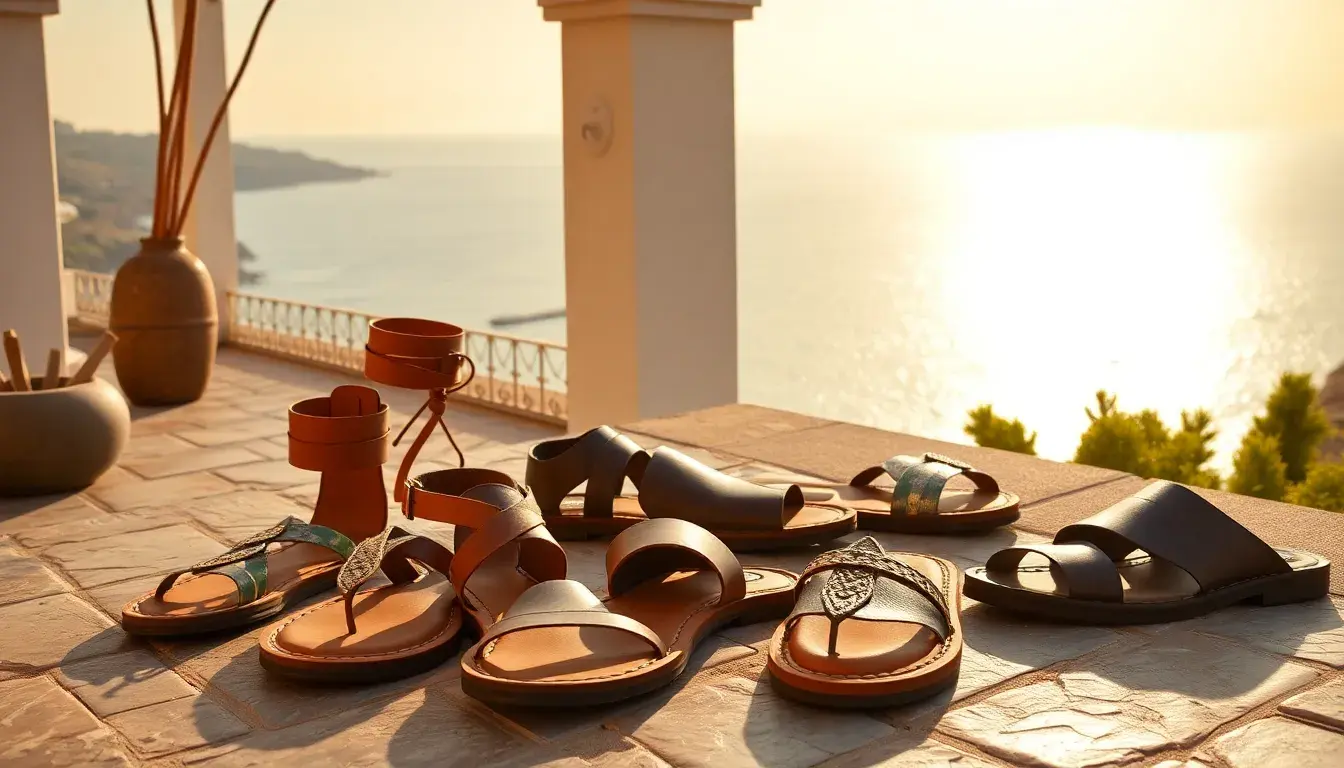
Let’s be real for a second: there is nothing worse than the "summer scuff." You know the one—where you buy a cute pair of sandals in June, and by mid-July, the straps are peeling, the soles are flat as a pancake, and your feet are screaming for mercy. We’ve all been there, lured in by a low price tag only to realize we’ve bought "plastic masquerading as leather."
Choosing the right leather sandals isn't just about looking good at the beach or the brunch table; it’s about investing in a material that actually breathes, molds to your foot, and survives more than one season. In this guide, I’m going to walk you through how to choose leather products that actually last, the difference between various grains, and where you can find stylish, budget-friendly options that won't fall apart after a week.
Transparency is key here at LeatherFind. If you find something you love through our links, we may earn a small commission at no extra cost to you. This helps us keep the workshop lights on and continue testing hides so you don't have to!
Why Real Leather Matters for Your Feet
If you're wondering why you should bother with a leather buying guide for something as simple as sandals, the answer is simple: breathability. Unlike synthetic materials, genuine leather has natural pores. This means as the pavement heats up, your feet aren't trapped in a miniature sauna. Real leather absorbs moisture and allows air to circulate, which is the secret to avoiding those pesky summer blisters.
Full-Grain vs Top-Grain Leather
When you're out shopping, you'll see labels like "full-grain," "top-grain," or just "genuine leather." Here's the cheat sheet:
- Full-Grain Leather: The gold standard. It’s the entire hide, retaining all natural toughness and grain. It’s thicker, harder to "break in," but it will outlive almost anything else in your closet.
- Top-Grain Leather: This has been slightly sanded to remove imperfections. It’s softer and more flexible right out of the box, making it a fantastic choice for sandal straps that need to move with you.
- Genuine Leather: Often a marketing term for lower-quality layers bonded together. It’s fine for a one-season fashion statement, but don't expect it to become an heirloom.
Where to Find Affordable Gems
While I love a $300 designer sandal as much as the next leather nerd, my wallet doesn't always agree. This is where a little savvy shopping comes in. I often get asked: "Can you actually find decent leather on AliExpress?"
The honest answer? Yes, but you have to be a detective. AliExpress is a goldmine for variety and price, especially for fashion-forward leather sandals. It’s a great place for "entry-level" leather—items that are stylish and use real top-grain or split leather without the luxury markup. However, you shouldn't expect a $20 pair to be handcrafted full-grain heritage quality. It’s about setting expectations and checking the reviews!
Leather Flip-Flop Sandals
Forget those rubber ones that snap. A leather flip-flop is the "grown-up" version. These are great for light strolls and beach days. Since these are high-use, it’s worth checking the current listing for reinforced stitching.
Check Latest Price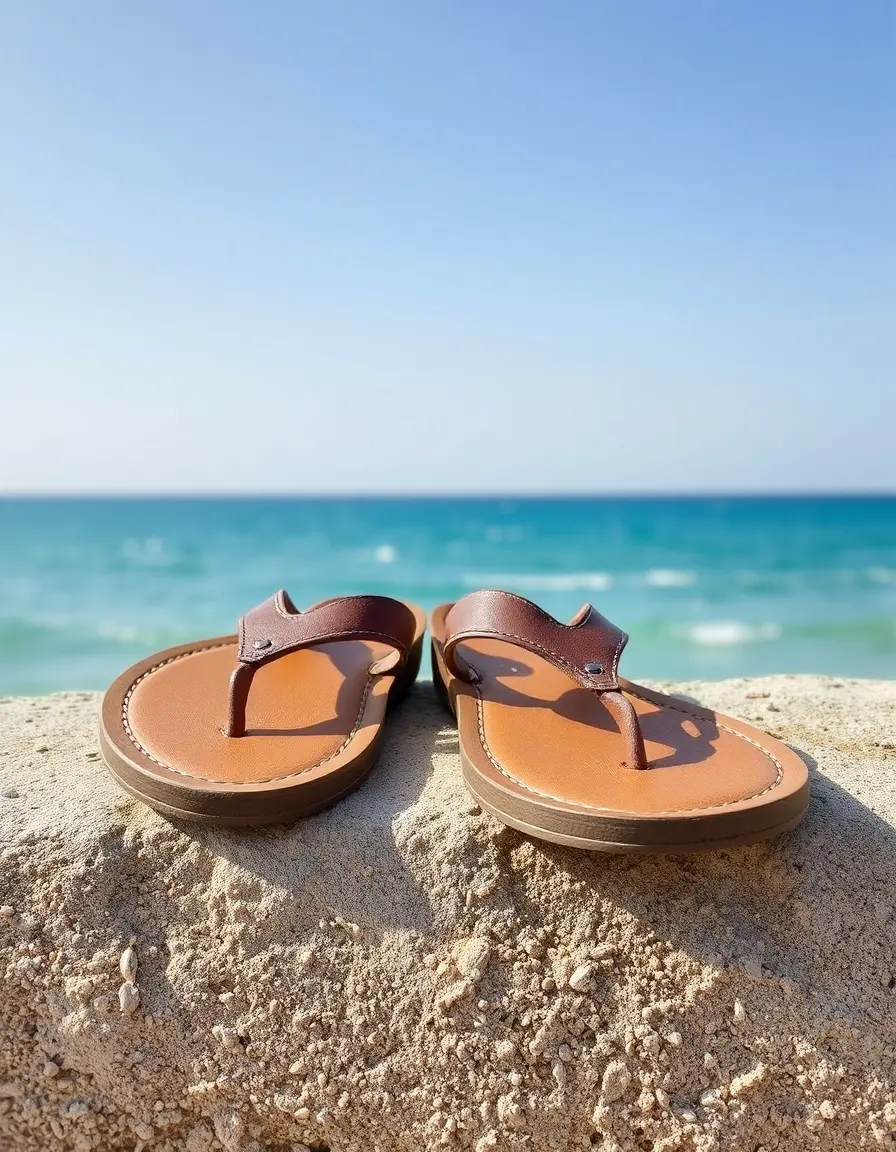
Leather Gladiator Sandals
Gladiators are all about the straps. When buying these, look for "top-grain" descriptions so the leather is soft enough to wrap around your ankles without chafing. I've linked a well-reviewed pair below—just double-check the material details before ordering.
View Style Options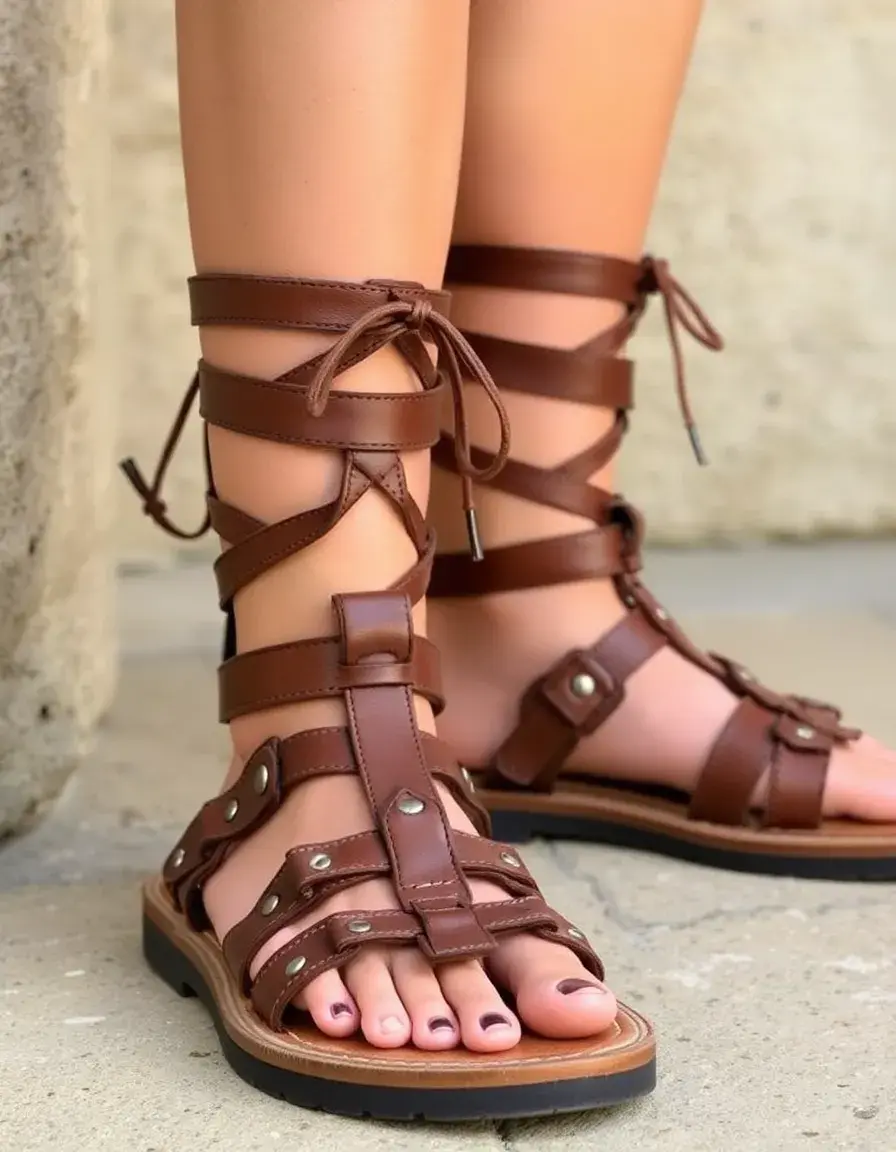
Leather Slide Sandals
The "easy-on" choice. Slides are perfect for running errands. Look for pairs with a slightly padded footbed. If you're curious about the leather quality, it’s always worth checking the buyer photos in the reviews to see how the grain looks in real life.
See Buyer Reviews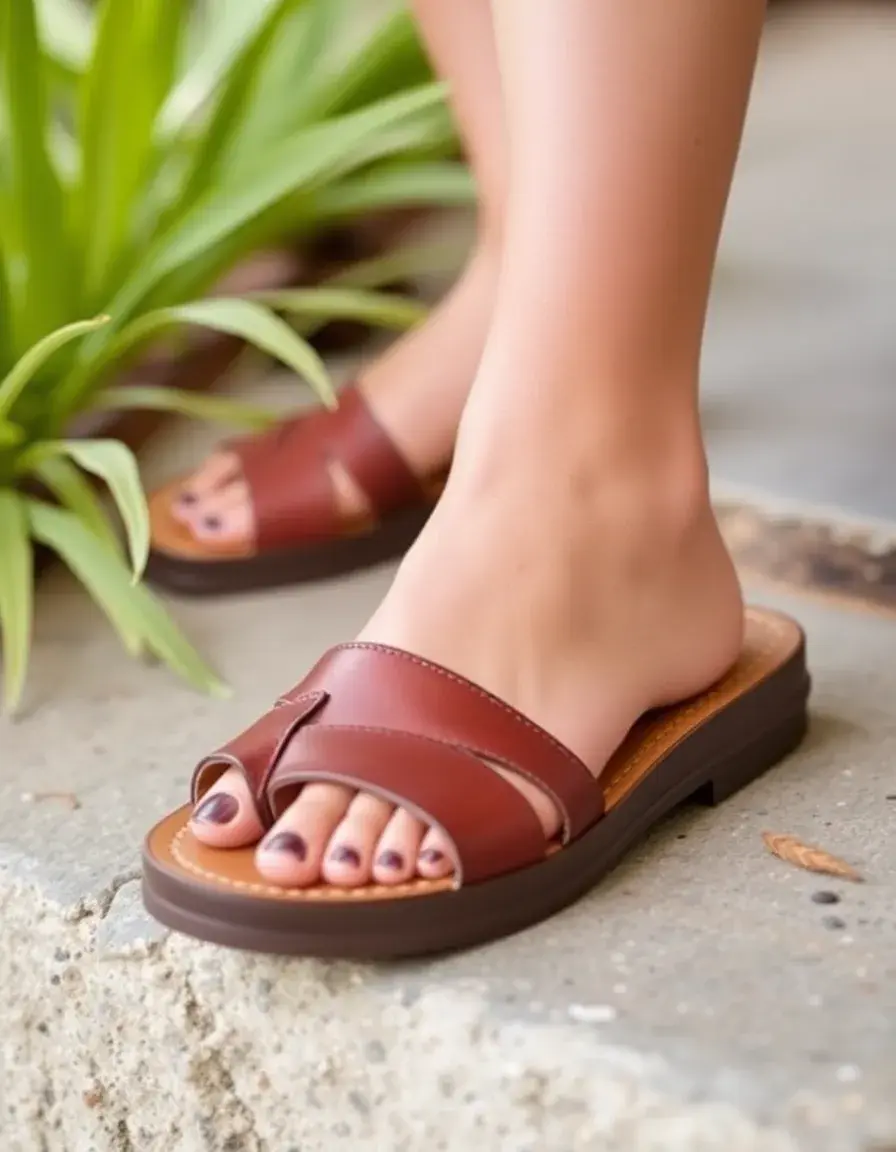
Leather Birkenstock-Style
If you want that molded-cork feel without the triple-digit price, these are a solid alternative. They usually feature a thicker leather upper that softens over time. Prices change often, so always peek at the latest info.
Check Availability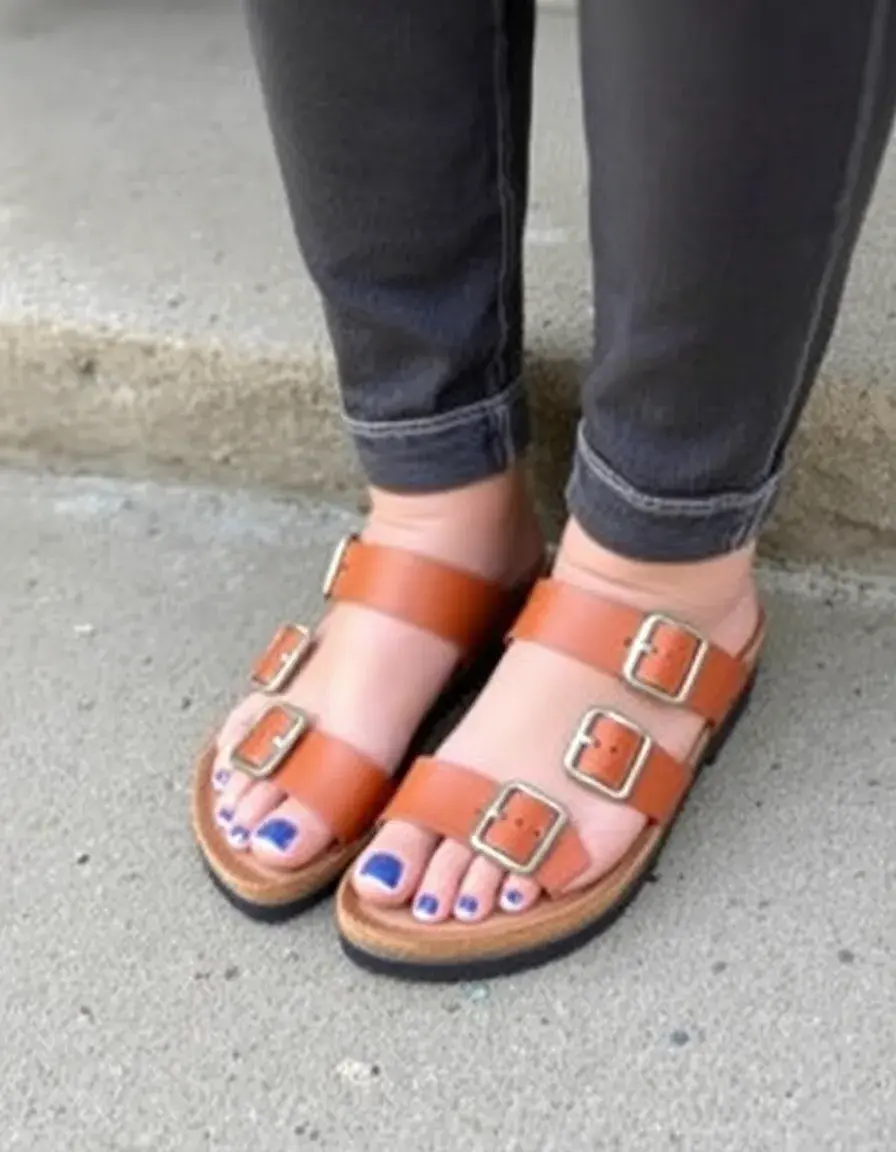
How to Spot the "Fake" in a Sea of Real
When browsing for the best leather sandals, you’ll encounter "PU leather" or "Vegan leather." While these have their place, they aren't the same animal (literally). Here is how I test a pair of sandals when they arrive:
- The Scent Test: Real leather smells earthy and rich. If it smells like a new shower curtain or a chemical plant, it’s synthetic.
- The Edge Inspection: Look at where the leather is cut. Real leather has a slightly fibrous, "fuzzy" edge. If you see a fabric mesh backing, it’s a fake.
- The Grain Variety: No two cows are the same. Real leather should have slight variations in the grain. If the texture is 100% perfectly repeating, it’s likely stamped plastic.
Leather Care Tips for Summer
Sandals go through hell—sun, sand, salt, and sweat. If you want them to last, follow these simple rules:
- Keep them dry: If you get caught in a summer downpour, let them air dry away from direct heat. No hair dryers!
- Conditioning is key: Use a light leather cream once a month to keep the straps from cracking under the sun.
- Wipe the footbed: Sweat contains salt, which can dry out leather quickly. A damp cloth at the end of the day works wonders.
Final Thoughts: Your Summer Investment
At the end of the day, how to choose leather products comes down to a mix of education and intuition. Don't be afraid to start with an affordable pair from a platform like AliExpress to test a new style—just be a smart shopper. Read the reviews, look at the photos, and always double-check the "Material" section of the description.
Real leather isn't just a purchase; it's a relationship. It moves with you, it ages with you, and it gets better every single time you slip it on. Go ahead—feel that grain. Your future self (and your feet) will thank you for making the switch to quality.
Want more honest leather advice?
Explore our full Leather Footwear collection for more guides, reviews, and expert picks.
Leave a Reply