Quick heads-up: We’re all about honesty here. If you use our links to find your repair supplies, LeatherFind may earn a small commission at no extra cost to you. This helps us keep the lights on and the leather tips flowing!
We’ve all been there. You’re reaching for your favorite leather boots, or maybe that trusty vintage handbag you found at a thrift store, and you see it: a peeling sole, a loose seam, or a tiny nick in the grain. Your heart sinks a little, doesn't it? But before you start mourning your favorite accessory, let me tell you a secret from someone who’s spent years in the workshop.
Most leather damage isn't the end of the road. In fact, with the right leather glue, you can often make a repair so seamless that you’ll forget it was ever broken. Choosing the right adhesive is the difference between a fix that lasts another decade and a messy "repair" that peels off by next Tuesday.
In this guide, we're going to dive deep into the world of leather adhesives. From high-strength industrial bonds to flexible glues for those tricky bends in your shoes, I’ll help you navigate the options. We’ll also talk about where to find affordable, effective supplies on AliExpress—a great spot for hobbyists to grab reliable repair kits without breaking the bank.
Why Regular Super Glue Just Won't Cut It
I’ve seen too many people try to fix a premium full-grain leather belt with standard office super glue. Please, for the love of craftsmanship, don't do it! Regular cyanoacrylate (super glue) dries hard and brittle. Leather, by its very nature, is a skin. It breathes, it stretches, and it moves.
If the glue doesn't move with the leather, it will eventually crack the fibers, making the damage even worse. A dedicated leather glue is designed to remain flexible even after it sets. This "elastic bond" is what keeps your boots from falling apart when you walk or your jacket from stiffening up like cardboard.
The AliExpress Advantage: Finding Value for Your Workshop
When it comes to how to choose leather products and repair tools, you don't always need to spend a fortune. While I’d always suggest professional-grade contact cement for a $2,000 sofa, AliExpress is actually a goldmine for everyday repairs.
You’ll find a massive variety of specialized adhesives that are perfect for:
- Fixing fashion leather jackets from high-street brands.
- Repairing entry-level top-grain wallets.
- DIY craft projects and "testing the waters" of leatherwork.
- Reading real-world reviews and seeing photos from other DIYers.
Just a quick pro-tip: Always check the latest material descriptions and recent reviews. The world of online shopping moves fast, so it’s worth a quick peek at the latest buyer feedback to ensure the seller is still sending out the good stuff!
Our Top Picks for Leather Repair Glues
I've curated a list of some well-reviewed options that cover different repair scenarios. Whether you need a waterproof bond for your hiking boots or an invisible fix for a designer clutch, these are worth checking out.
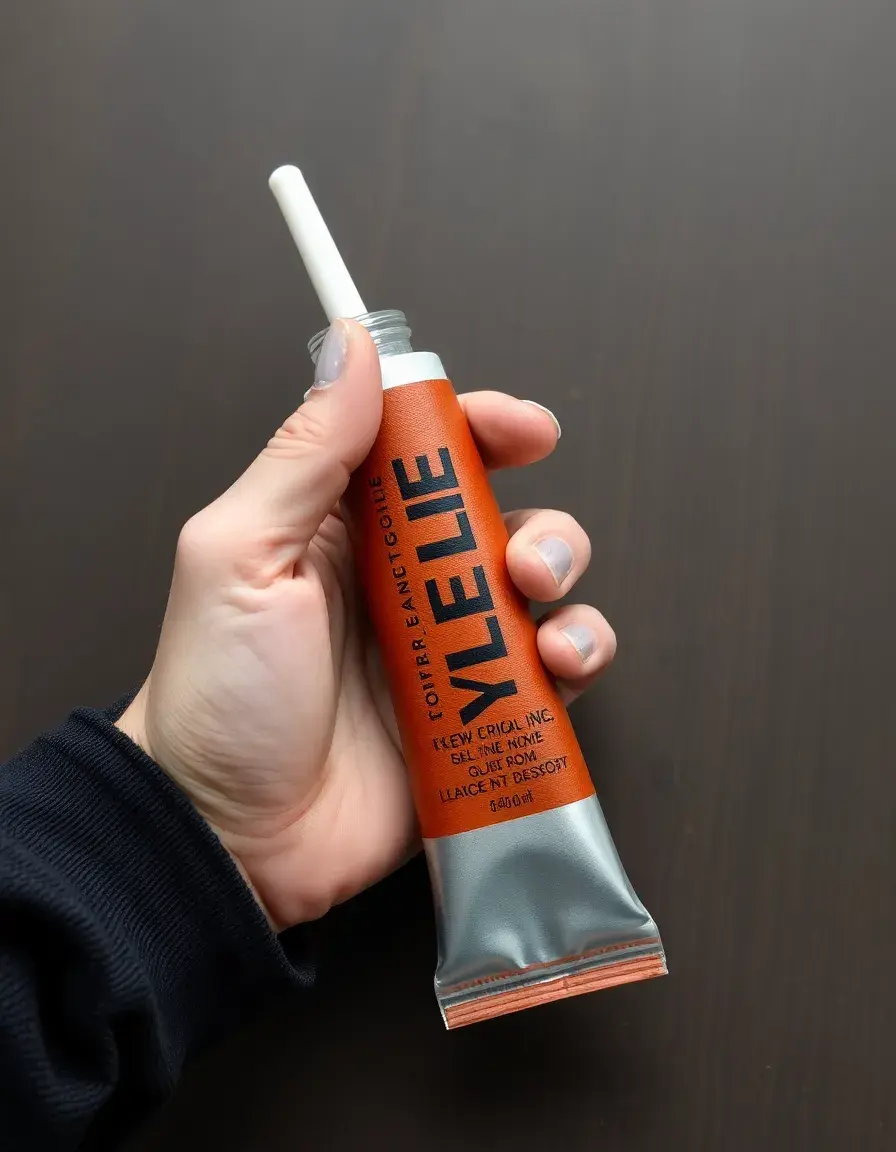
1. Strong Leather Glue
This is your "all-rounder." If you have a loose flap of leather or a peeling lining, this tube provides a high-strength bond that gets the job done without much fuss.
Check Latest Price 2. Flexible Leather Glue
Perfect for shoes or the elbow of a jacket. This adhesive is specifically formulated to handle constant bending and folding without losing its grip.
Check Latest Price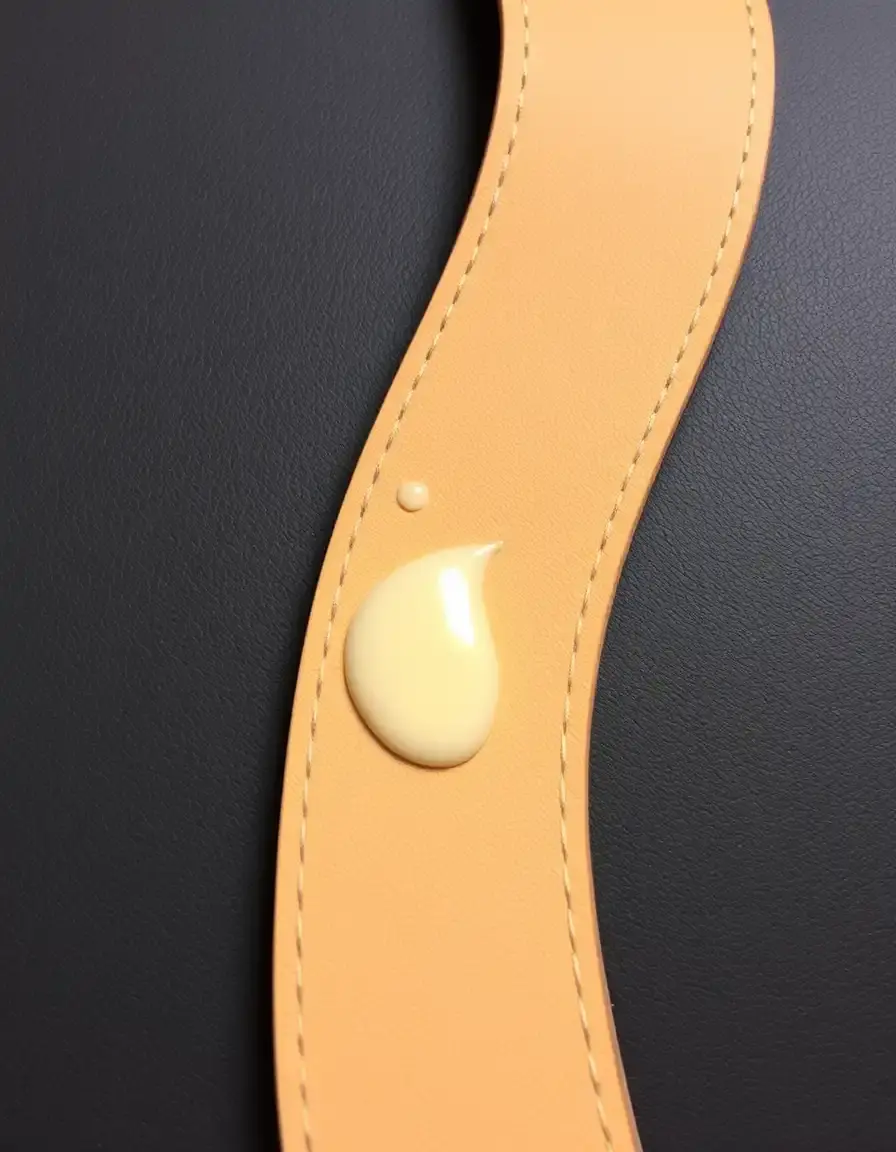
3. Quick Dry Leather Glue
Don't have all day to wait for clamps to set? This quick-drying formula is great for small nicks and edges that need to be sealed fast.
Check Latest Price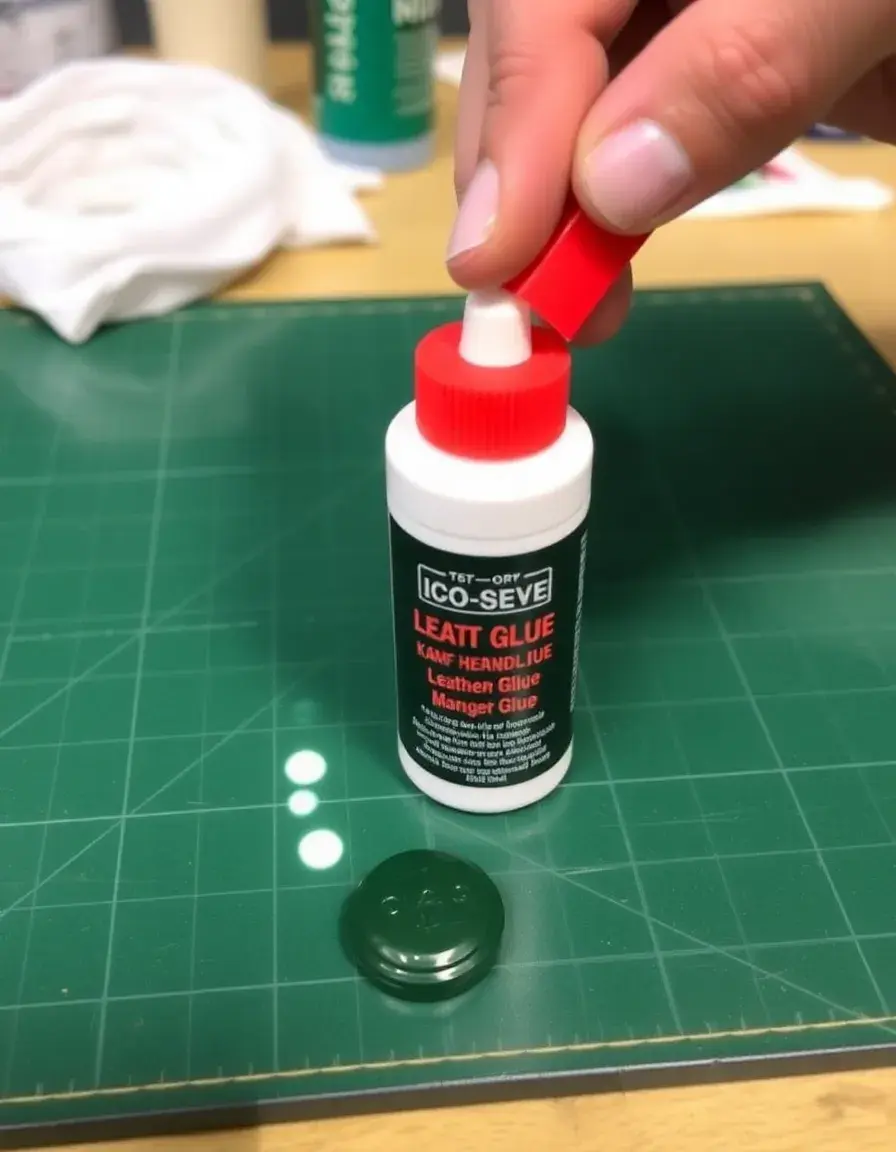
4. Waterproof Leather Glue
Essential for boots and outdoor gear. This glue creates a barrier that won't dissolve or weaken when things get messy out in the rain.
Check Latest Price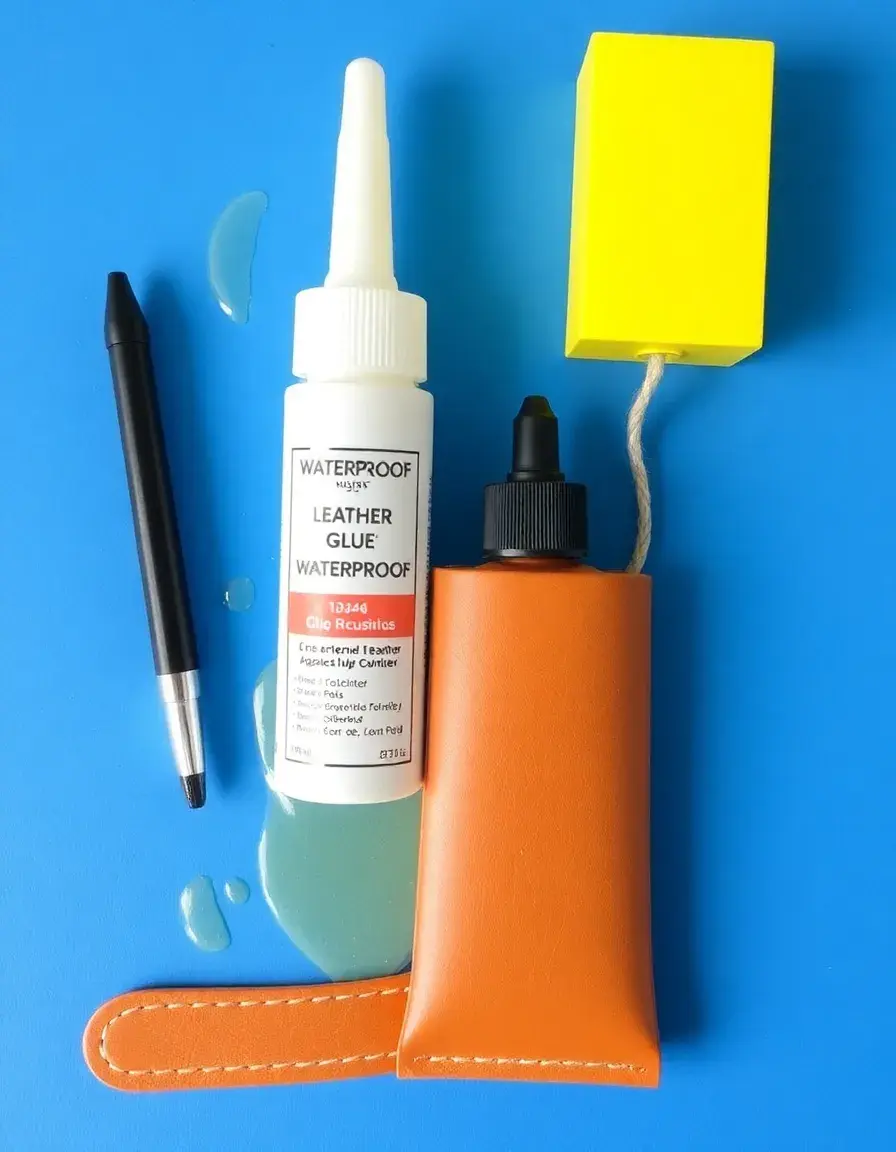
Step-by-Step: How to Use Leather Glue Like a Pro
Having the best leather glue is only half the battle. The other half is technique. Here’s my simple ritual for a repair that lasts:
- Clean the Surface: Use a damp cloth to remove dirt. If the area is greasy, a tiny bit of rubbing alcohol on a cotton swab can help—but be careful, as alcohol can dry out leather.
- Prep the Texture: Use a bit of fine-grit sandpaper to lightly roughen the area to be glued. This gives the adhesive more "tooth" to grab onto.
- Apply Thinly: Less is more! Apply a thin, even coat to both surfaces if you're using a contact-style glue.
- Wait for the Tack: Let the glue sit for a minute until it feels tacky, then press the surfaces together firmly.
- Clamp It: If possible, use a binder clip or a heavy book to hold the repair in place for at least a few hours. (I usually let it sit overnight just to be safe).
Pro-Tip: Managing the Excess
If a little glue oozes out, don't panic. Don't try to wipe it while it's wet—you'll just smear it. Wait until it’s nearly dry (gummy), then gently roll it off with your finger. It's much cleaner!
Leather Glue vs. Contact Cement: What’s the Difference?
When browsing the Leather Care and Maintenance category, you’ll see both "glues" and "cements."
Contact Cement is the heavy hitter. You apply it to both sides, let it dry until it’s not wet to the touch, and then press them together. Once they touch, they’re stuck—for good. This is what shoemakers use for soles. Leather Glue is generally more forgiving, allowing you to reposition the leather for a few seconds before it sets. If you’re a beginner, a standard flexible leather glue is much easier to handle.
Ready to bring your favorite leather back to life?
Explore the full range of repair supplies and start your DIY journey with confidence. Your future self (and your closet) will thank you!
Browse Care GuidesConclusion: Invest in Your Favorites
In a world of fast fashion, there is something incredibly rewarding about taking care of what you own. Whether it’s a high-end full-grain vs top-grain leather debate or just fixing a scuffed toe on your favorite boots, using the right leather glue shows respect for the material.
Don't be afraid to experiment with budget-friendly options from AliExpress for your fashion pieces—just keep your eyes on the reviews and always test a small, hidden area first. Real leather is a relationship that matures over time, and a little maintenance today ensures a beautiful patina tomorrow.
Still unsure which glue is right for your project? Drop us a comment or head over to our care section for more deep dives!
Leave a Reply