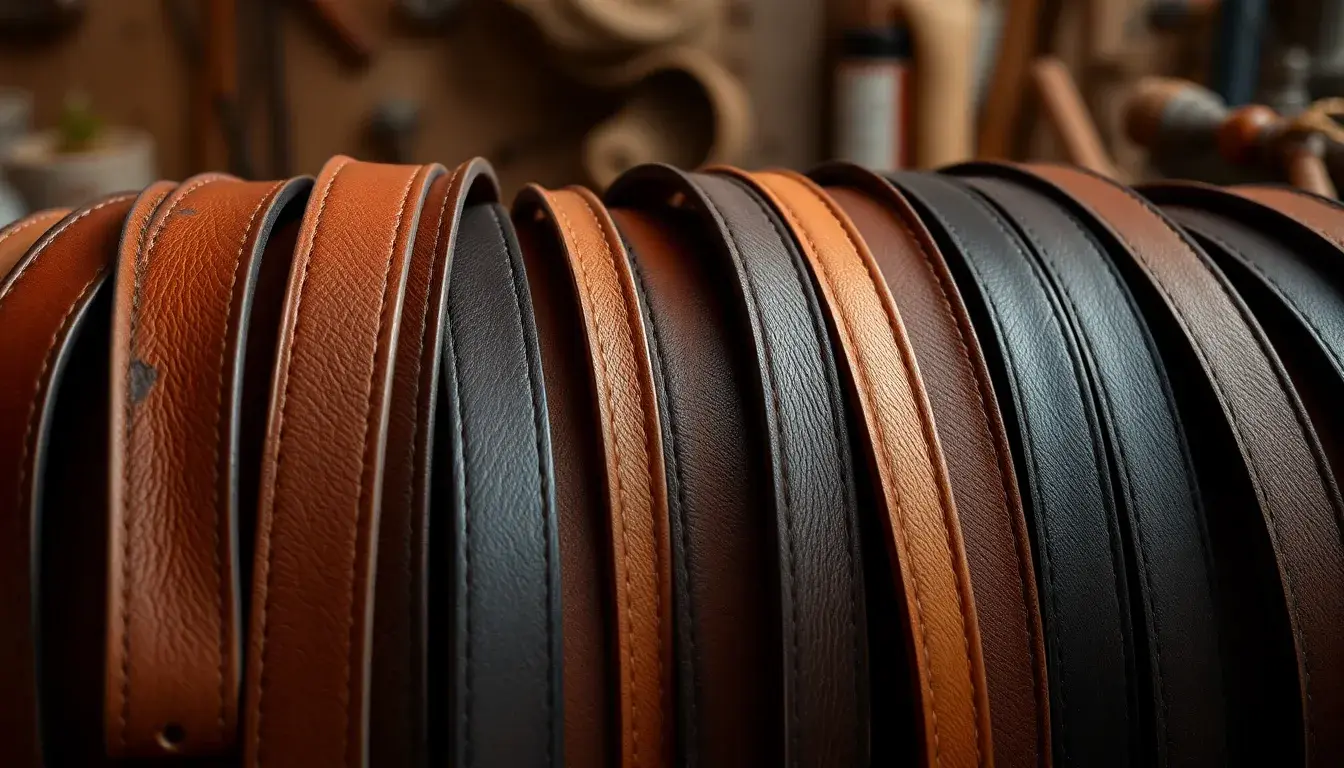
Let’s be honest: a belt is the unsung hero of your wardrobe. It holds everything together (literally), yet most of us grab the first "genuine leather" strip we see at the department store. But if you've ever had a belt snap, peel, or lose its shape after three months, you know that not all leather for a belt is created equal. Choosing the right material is a mix of science, art, and a little bit of "feel."
Quick heads-up: Some of the links below are affiliate links. If you find something you love and grab it through our link, LeatherFind may earn a small commission at no extra cost to you. This helps us keep the workshop lights on and the leather guides coming!
Why Your Choice of Leather Matters
When you're picking out leather for a belt, you’re looking for three things: tensile strength, thickness, and "temper" (how stiff or soft the hide is). A belt needs to withstand constant tension without stretching into a banana shape. That’s why we usually look at heavier weights—typically 8oz to 10oz (about 3.2mm to 4mm) for a solid, single-layer belt.
Below, I've rounded up some of the best materials I've worked with. Whether you're a DIY crafter or looking for a finished piece, these options from AliExpress offer a fantastic entry point for testing styles without spending a fortune.
Full Grain Leather Belt Material
If you want a belt that will outlive your favorite pair of jeans, this is it. Full-grain leather uses the topmost layer of the hide, including all the natural grain and durability. It’s thick, rugged, and develops a patina that looks better after every wear.
Check Latest Price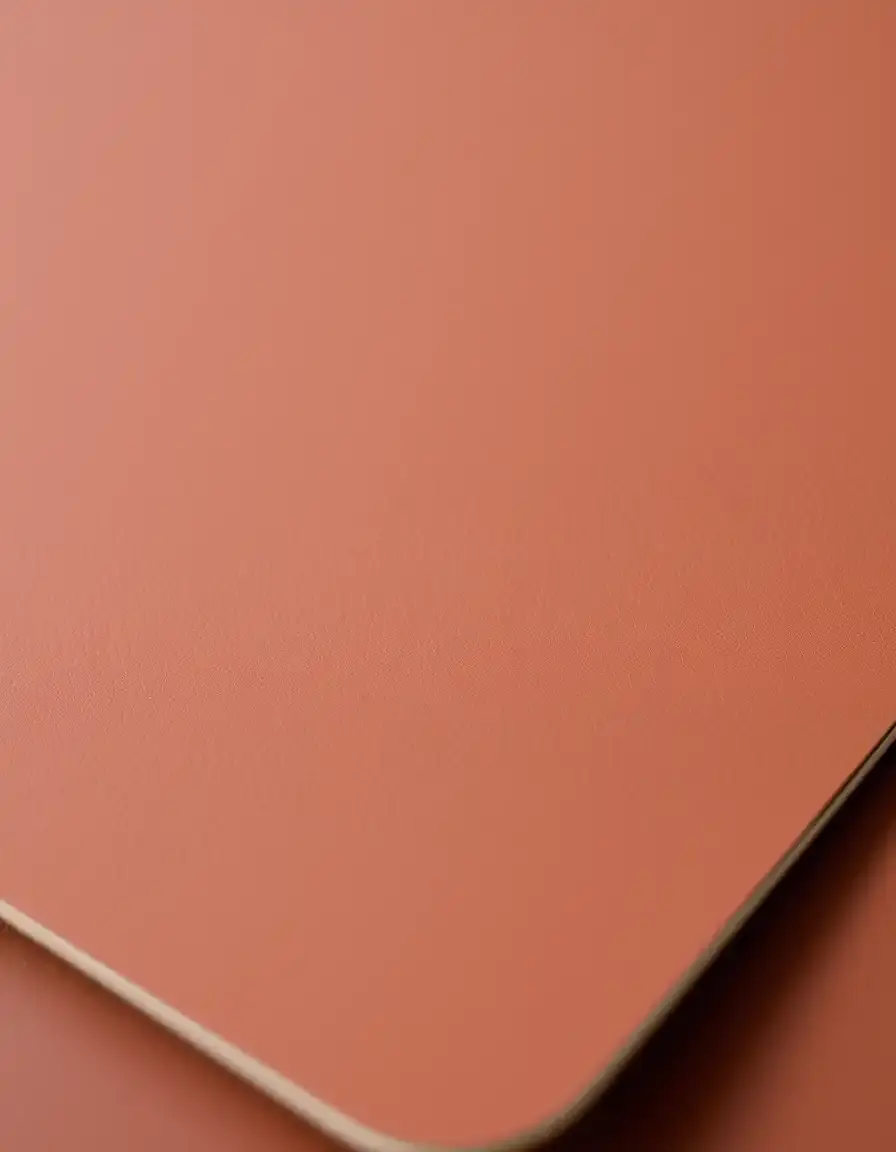
Cowhide Leather for Belts
Cowhide is the most popular choice for a reason: it's incredibly versatile. This specific strip is great for everyday wear. It has enough "give" to be comfortable but enough "grit" to stay functional for years. (Pro tip: always check the buyer photos on AliExpress to see how the edge finishing looks!)
View on AliExpress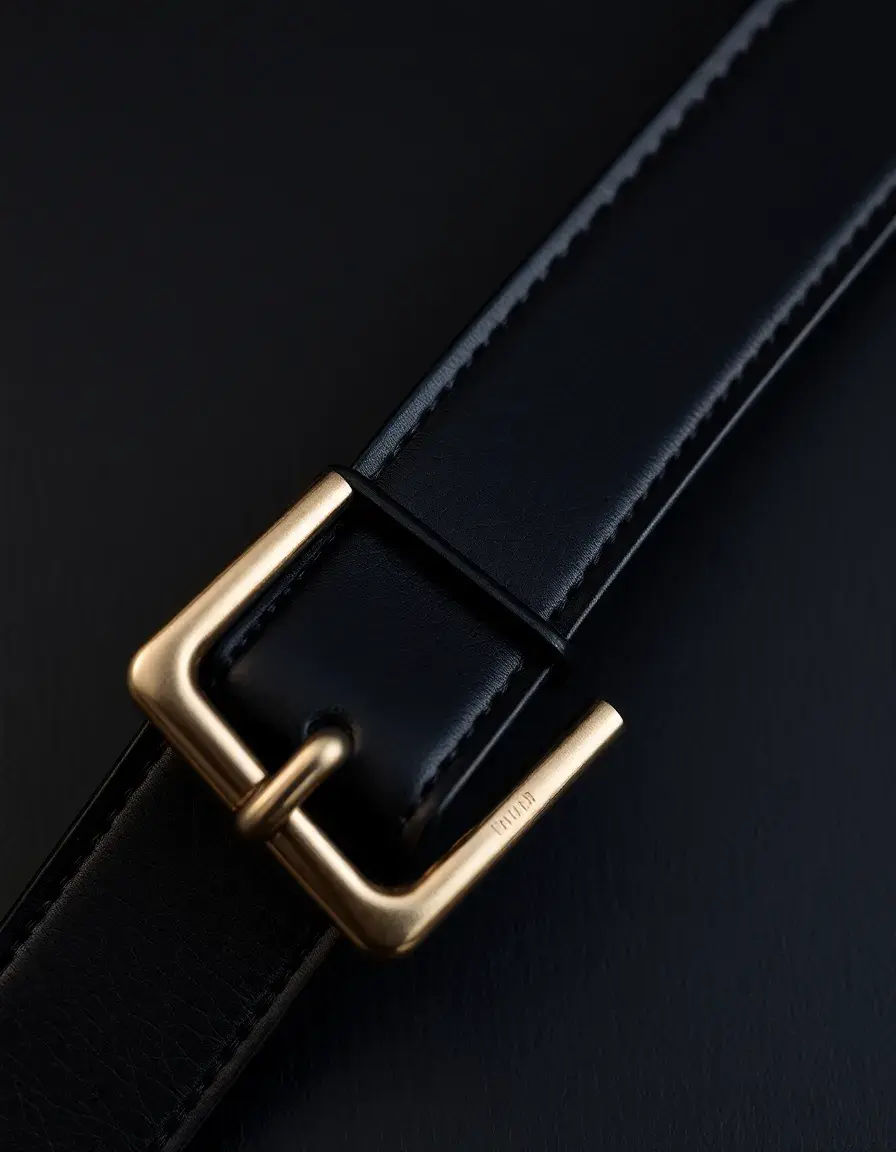
The Great Debate: Full-Grain vs. Top-Grain
You’ll often see these terms thrown around. Full-grain leather is the strongest because the fibers haven't been sanded down. Top-grain leather, on the other hand, has had the top layer sanded to remove imperfections. It's a bit thinner and more flexible, which makes it great for "dressier" belts that need a smoother, more uniform look.
If you're shopping on AliExpress, you'll find plenty of top-grain options. They are fantastic for fashion-forward pieces. Just remember: they won't develop that deep, rugged character that a full-grain belt will, but they’ll stay looking "new" for longer.
Veg Tan Leather for Belts
Vegetable-tanned (or "Veg Tan") leather is processed using natural tannins from bark and leaves. It starts out quite stiff but softens beautifully. It's the only leather that truly "molds" to your waistline. I love this cognac shade—it’s a classic that works with everything from navy suits to tan chinos.
See Material Details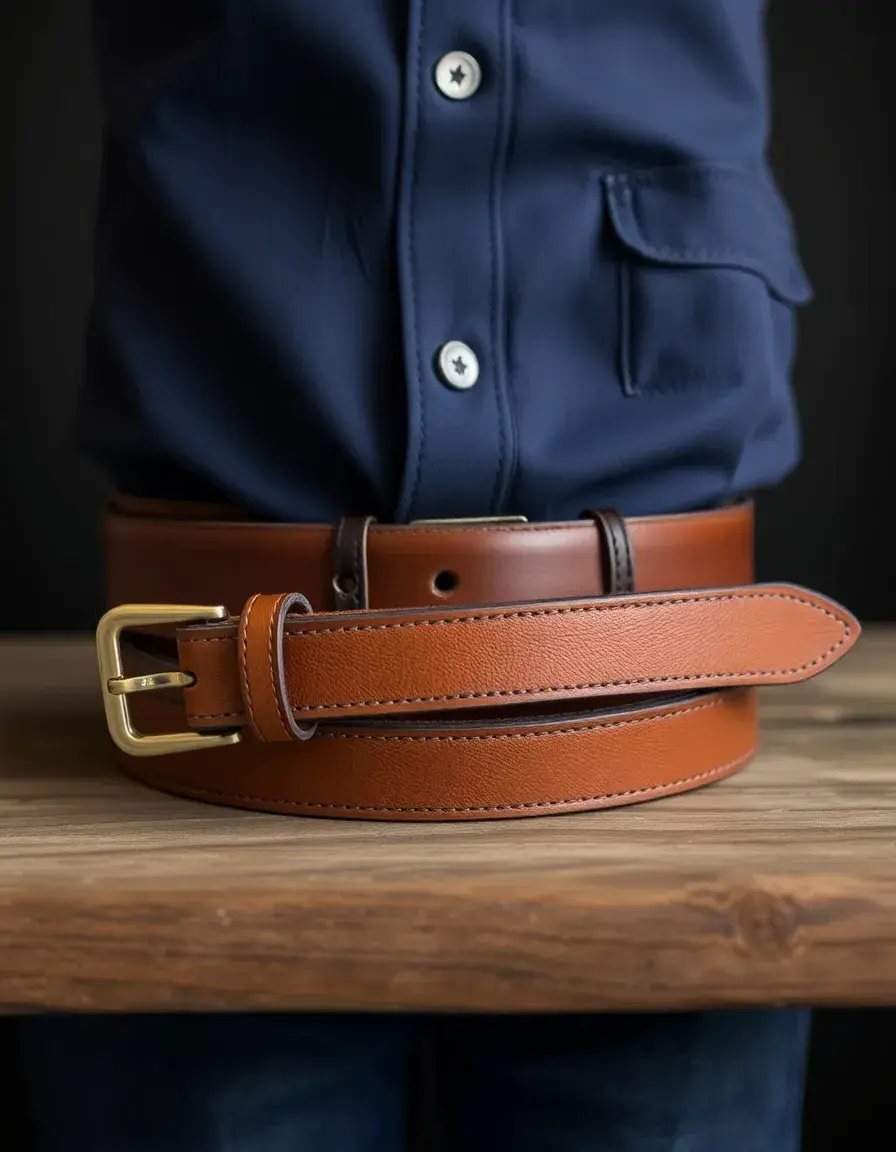
Suede Leather for Belts
Suede adds a touch of sophistication and texture that flat leather just can't match. It's softer and more pliable, making it perfect for casual weekends. While not as "tough" as full-grain, a well-backed suede belt is a style powerhouse.
Check Suede Colors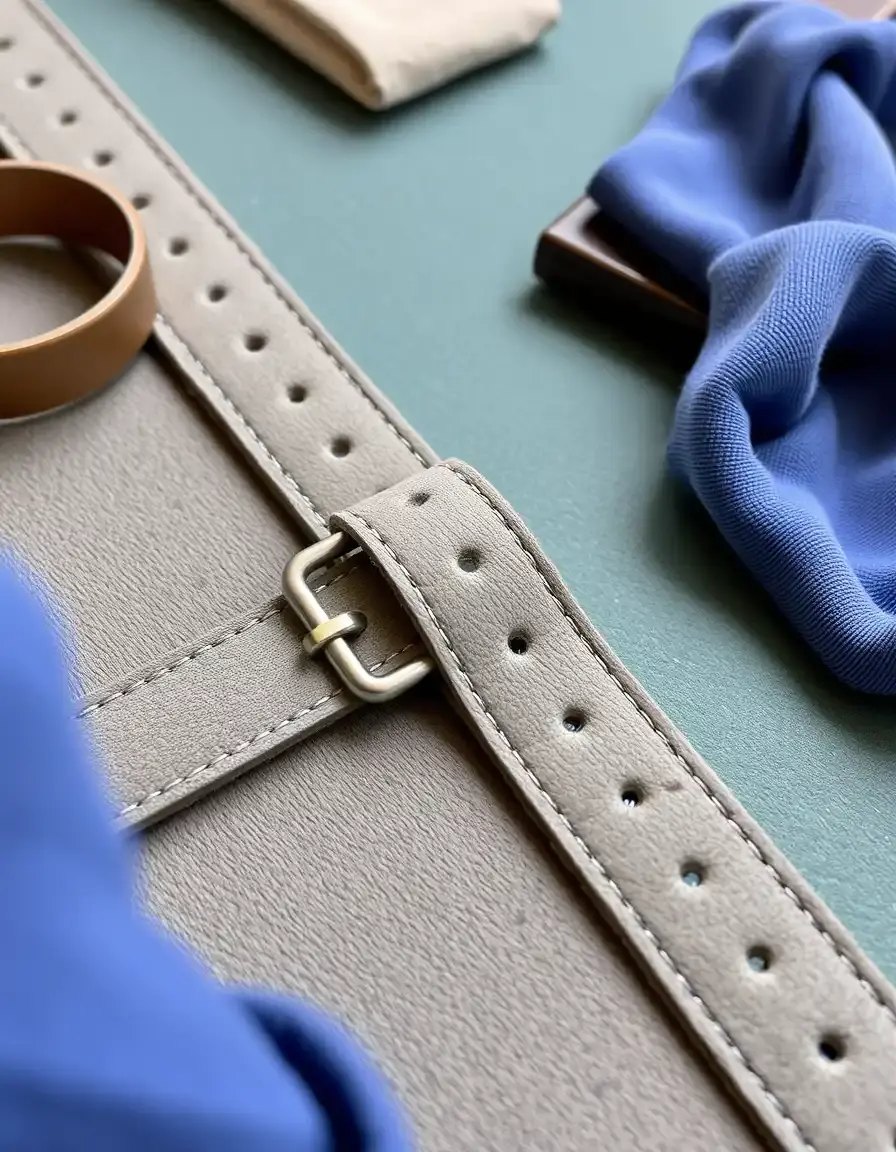
Navigating the Budget Options: What to Expect
Let's talk real-world expectations. When you're looking at leather for a belt on a platform like AliExpress, you're going to see terms like "Bonded Leather" and "Faux Leather."
- Bonded Leather: This is basically the "particle board" of the leather world. It's made of shredded leather scraps glued together. It's cheap and looks okay at first, but it will peel. Great for a belt you only plan to wear once or twice.
- Faux/PU Leather: Completely synthetic. It’s animal-friendly and comes in every color imaginable, but it lacks the breathability and longevity of the real stuff.
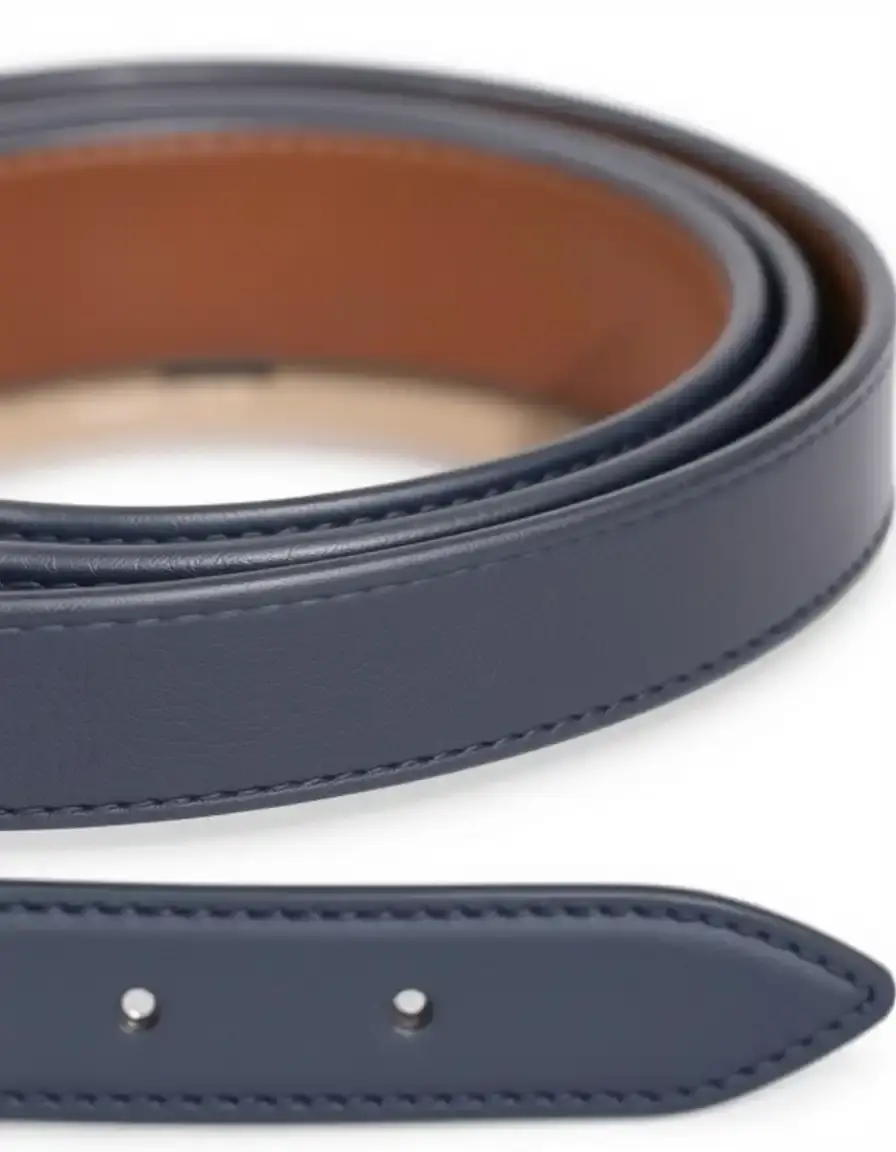
Bonded Leather Option
Budget-friendly for occasional wear. View Listing
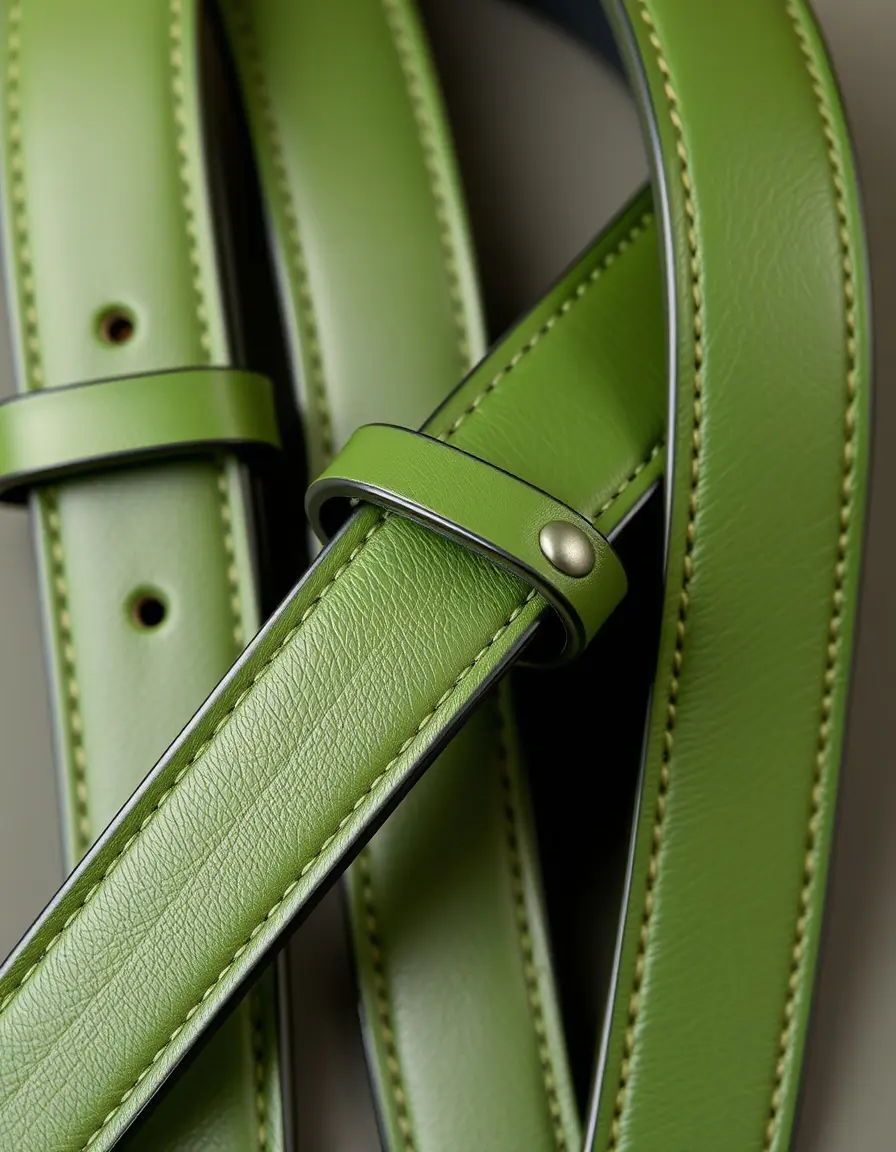
Faux Leather Option
Great for trend-testing colors. View Listing
Expert Care: How to Make Your Belt Last a Lifetime
Once you've picked your perfect leather for a belt, don't just wear it and forget it. Leather is skin—it needs hydration!
- Rotate your belts: Don't wear the same one every single day. Leather needs time to "rest" and dry out from body heat/moisture.
- Conditioning: Every 6 months, apply a tiny bit of leather cream. It keeps the fibers supple and prevents cracking.
- Storage: Roll your belts loosely or hang them vertically. Avoid folding them, which creates permanent creases.
Distressed Leather for Belts
Love the worn-in look without the 10-year wait? Distressed leather is treated to look like it’s seen some adventures. This blue variant is a unique twist on a classic rugged material. Perfect for those who want their accessories to have immediate "soul."
Check Latest Price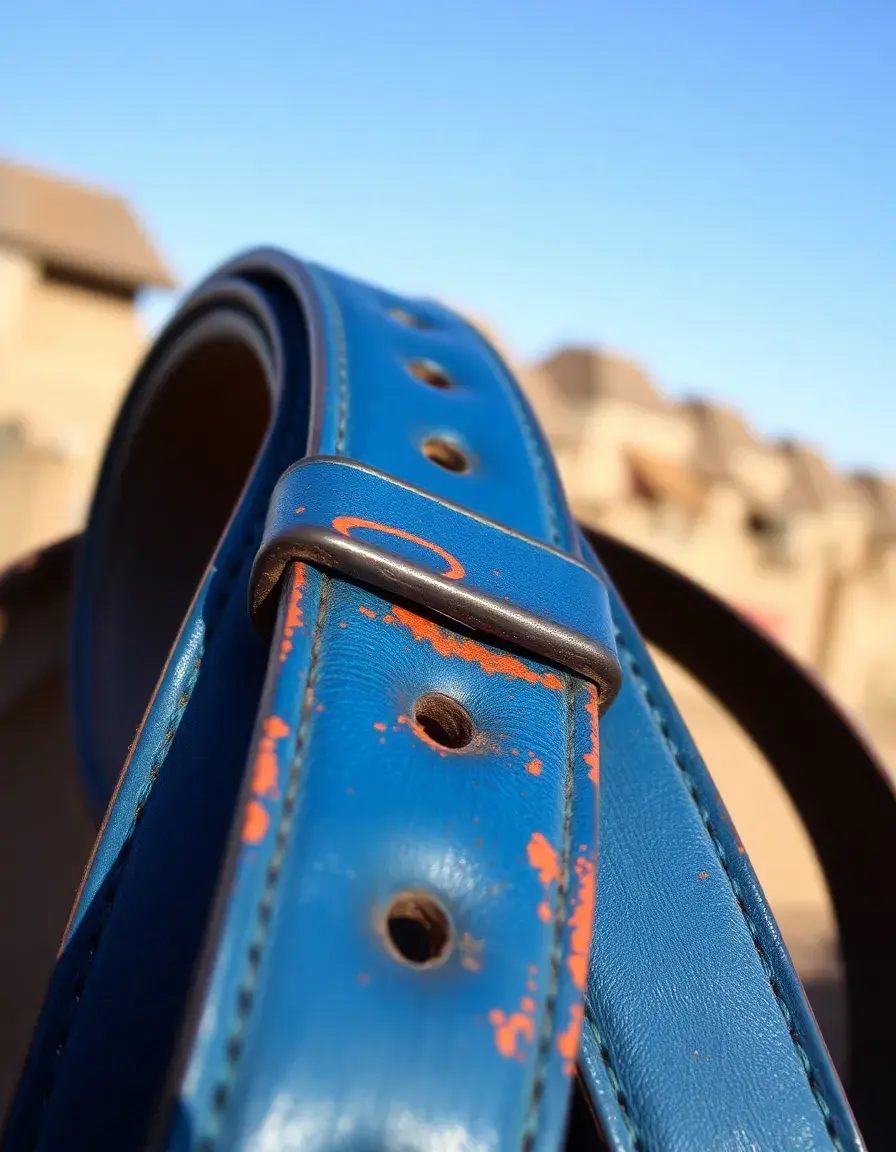
Final Thoughts on Choosing Your Belt
Buying a belt doesn't have to be a gamble. If you’re looking for a lifelong companion, aim for full-grain veg-tan. If you want something stylish for a season or two, top-grain or even a well-reviewed fashion piece from AliExpress will do the trick nicely. Just remember to read the descriptions carefully—sellers often update materials, so a quick peek at the "Specifications" section is always a smart move.
Ready to upgrade your accessory game or start your own belt-making project?
Explore More Leather Guides & Accessories
Leave a Reply