
Transparency matters to us: LeatherFind may earn a small commission if you use our links to explore products, which helps us keep our testing lab running at no extra cost to you.
There’s nothing quite like the smell of a fresh leather interior, is there? It’s the hallmark of a car that’s been loved. But let’s be real: between coffee spills, dog paws, and just the daily grind, those beautiful seats can start looking a little "tired" faster than we’d like. If you've been wondering how to clean leather car seats without ruining that buttery finish, you’re in the right place.
Understanding Your Leather: Why It Matters
Before we grab the spray, we need to know what we’re working with. Most modern cars don’t use the same leather you’d find on a bespoke Italian sofa. Usually, it’s a mix of full-grain vs top-grain leather, often with a protective synthetic coating.
If you have a luxury vehicle, you might be sitting on semi-aniline or full-aniline leather—which is basically the "royalty" of hides. These are porous and require a gentle touch. On the flip side, many mid-range cars use "protected" leather, which has a clear top-coat. Knowing the difference changes everything about your leather care tips strategy.
The "Is It Real?" Test
Ever wonder if those "leather-appointed" seats are actually genuine leather? A quick tip: look at the pores. Real leather has an irregular pattern. If it looks too perfect, it might be a high-quality synthetic. Either way, the cleaning steps are similar, but real hide needs more "food" (conditioning) than the fake stuff.
The Golden Rules of Leather Seat Maintenance
I’ve seen too many people treat their car seats like a kitchen counter—spraying harsh chemicals and scrubbing like crazy. Leather is skin; it has fibers that can stretch, dry out, and crack if mistreated. Here is my personal checklist for how to choose leather products and use them safely:
- Vacuum First: Always. Small crumbs act like sandpaper when you start wiping.
- Test the Spot: Always try your cleaner on a hidden area first (like the back of a headrest).
- Less is More: Don't soak the leather. Moisture getting into the seams is the enemy.
- pH Balance is Key: Acidic or alkaline cleaners will strip the natural oils.
Budget-Friendly Finds: The AliExpress Factor
Now, let’s talk shop. You don't always need to spend $100 on a boutique detailing kit. I often browse AliExpress for affordable leather goods and maintenance tools. It's a goldmine for entry-level cleaning supplies and "trend testing" products.
Is it the place for heirloom-quality conditioners? Maybe not. But for everyday leather car seat cleaner spray or handy wipes to keep in the glovebox? It’s hard to beat the value. Just a pro tip: always check the latest user reviews and look for photos of the actual product before you hit buy.
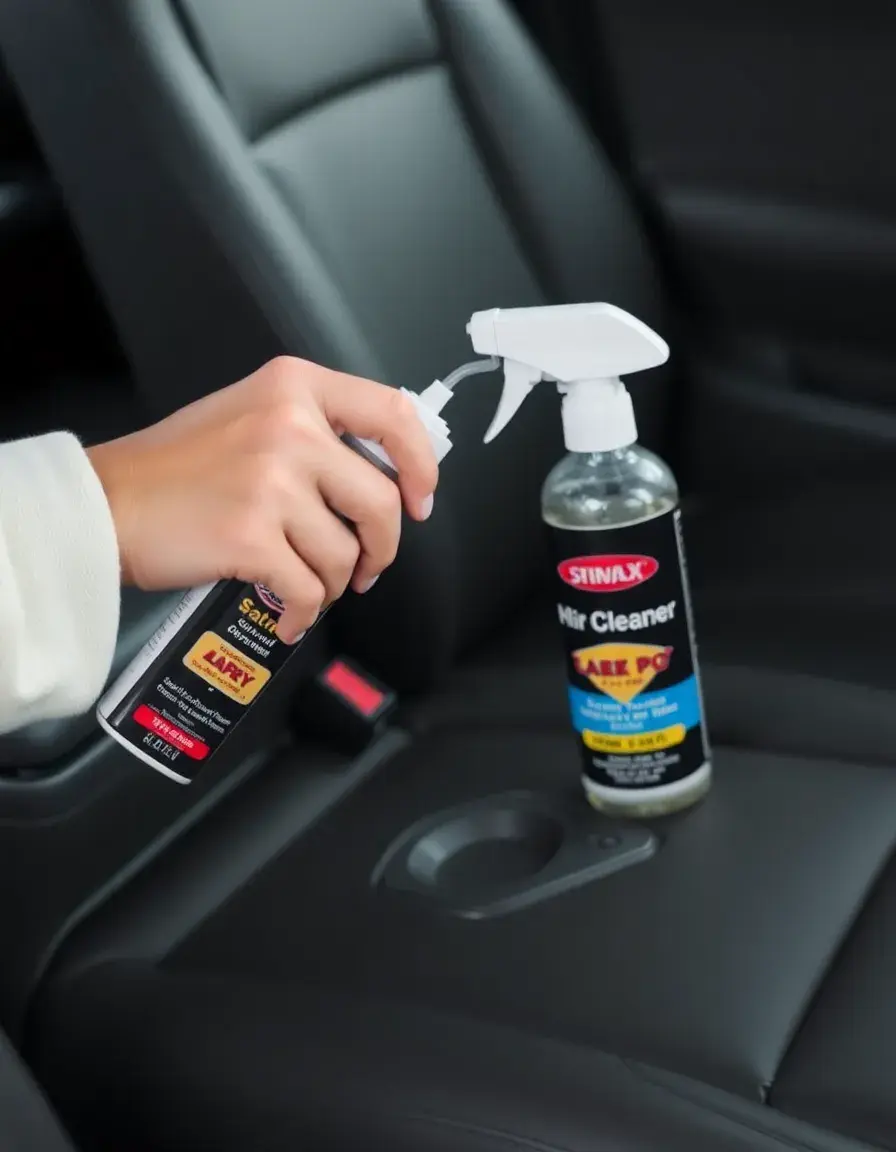
A convenient spray for quick lifting of surface dirt and grime without harsh scrubbing.
Check Latest Price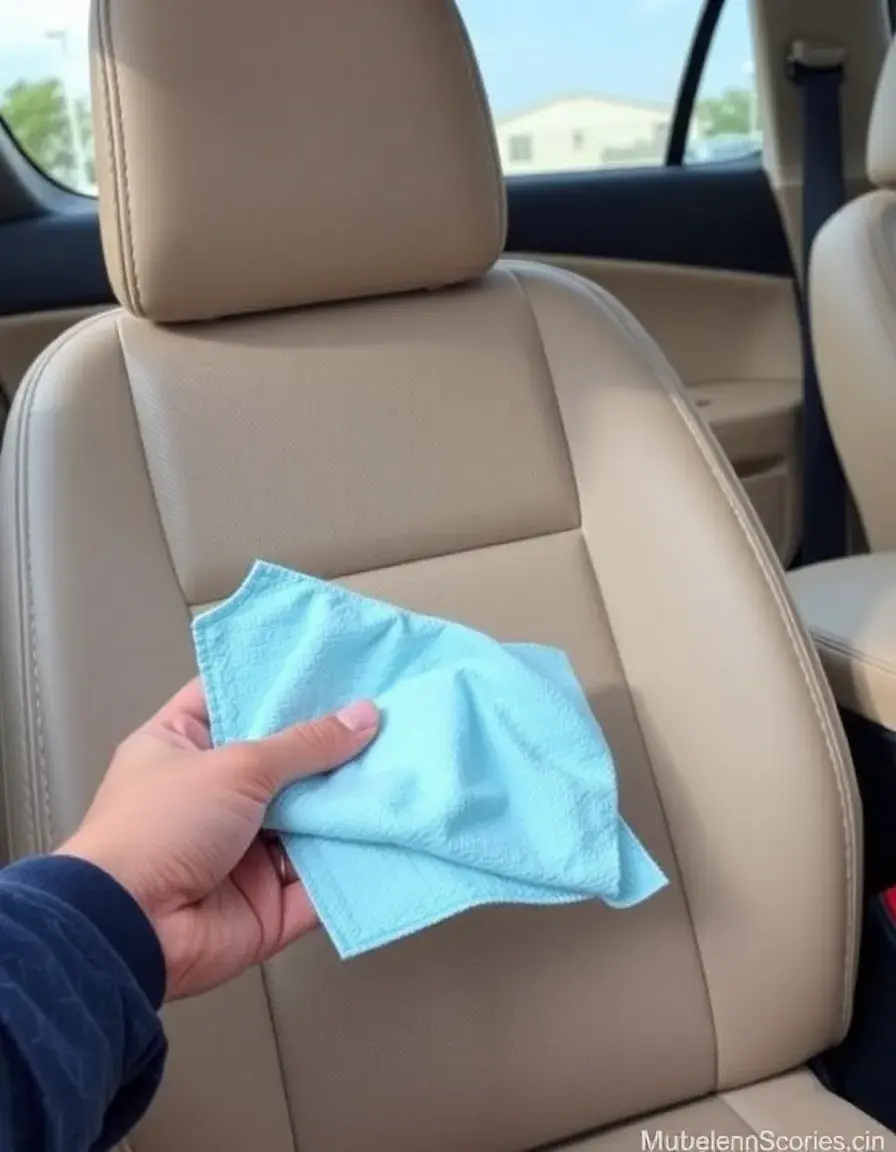
Perfect for keeping in the console. These wipes offer a quick hit of moisture and protection.
Check Latest Price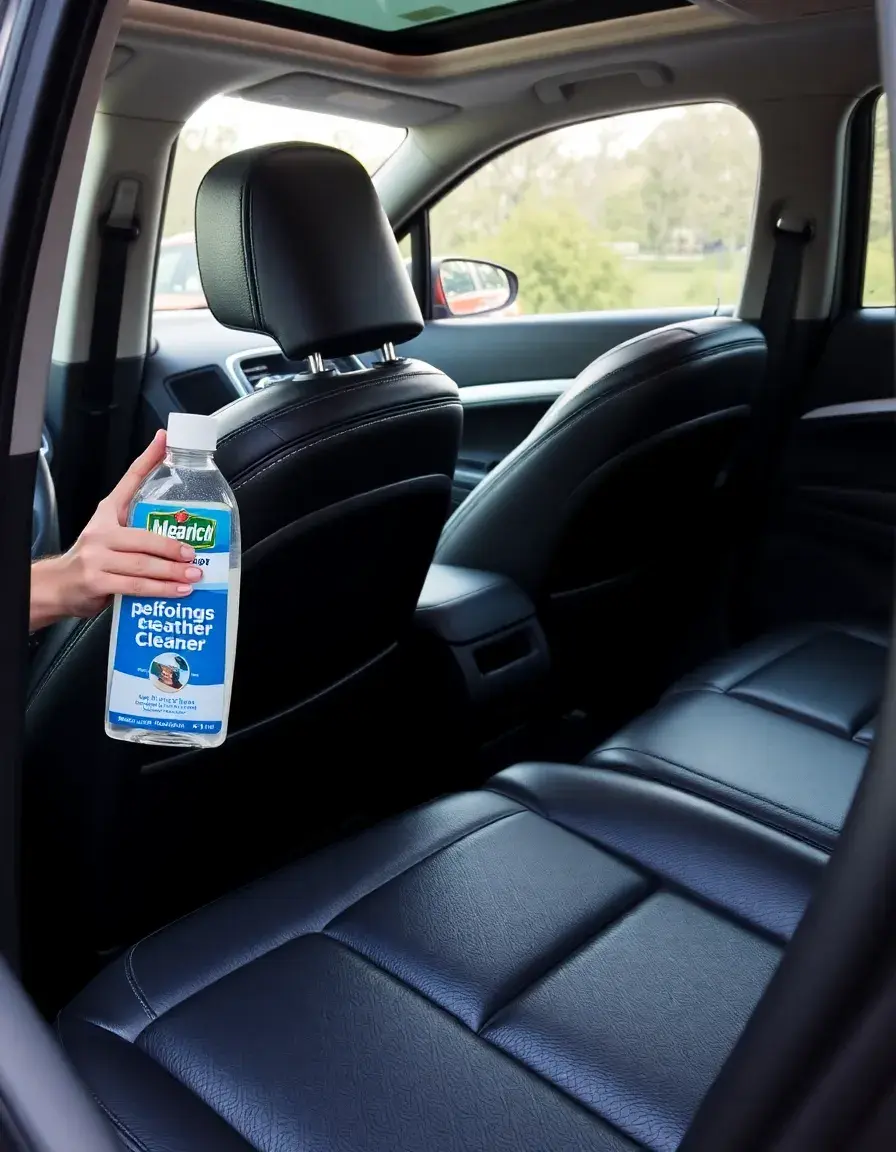
A gentler formula for those with sensitive skin or luxury, porous leather finishes.
Check Latest Price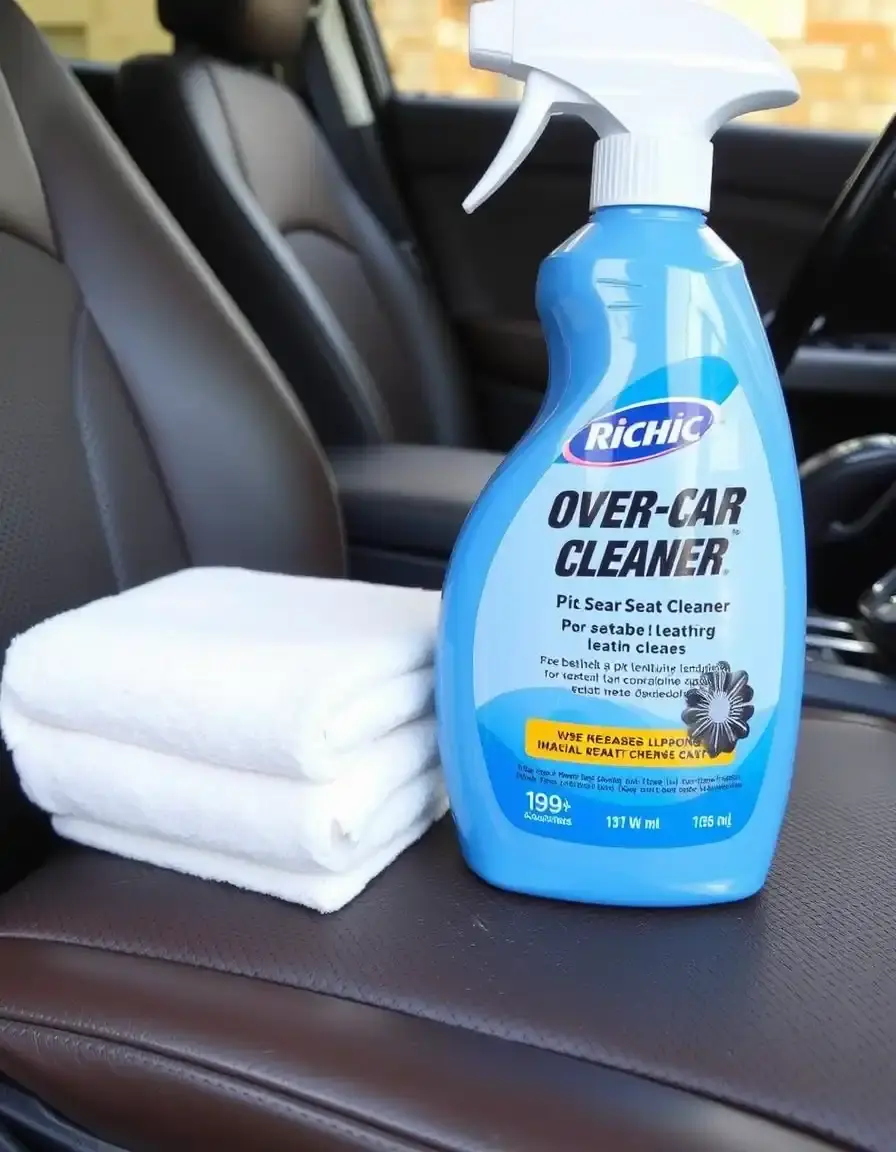
Foam prevents the leather from getting too wet, making it safer for perforated seats.
Check Latest PriceStep-by-Step: How to Clean Leather Car Seats Like a Pro
I’ve spent years detailing cars, and I've narrowed it down to this simple, foolproof method. Whether you’re using a high-end leather buying guide recommendation or a budget spray, the technique is what saves your seats.
- Dry Clean: Use a soft brush attachment on your vacuum to get into the creases.
- Apply Cleaner: Apply your leather car seat cleaner spray to a microfiber cloth, not the seat itself. This prevents spotting.
- Gentle Agitation: Use a soft-bristled brush in circular motions. You’re looking to create a light lather, not a bubble bath.
- Wipe Away: Use a fresh, dry microfiber cloth to buff away the dirt and excess cleaner.
- Condition: This is the secret sauce. Cleaning removes dirt, but conditioning restores the oils that keep the leather supple.
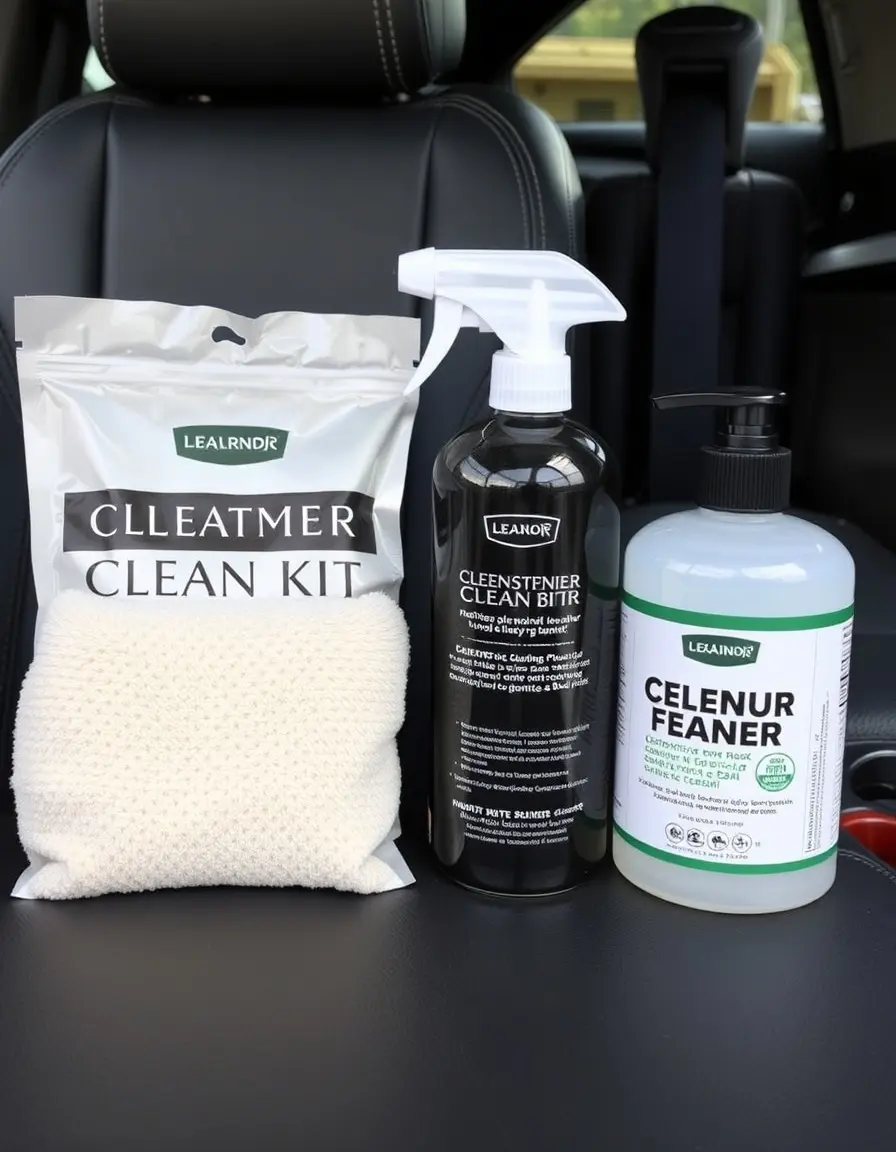
Advanced Care: Conditioning and Protection
Cleaning without conditioning is like washing your face and skipping moisturizer—it's going to feel tight and eventually crack. A good leather care tips routine involves conditioning every 3 to 6 months.
If your car sits in the sun, the UV rays are basically "cooking" the leather. This leads to that dreaded peeling and fading. Using a pH balanced car cleaner followed by a UV-blocking conditioner is the best way to ensure your interior develops a beautiful patina rather than an ugly crack.
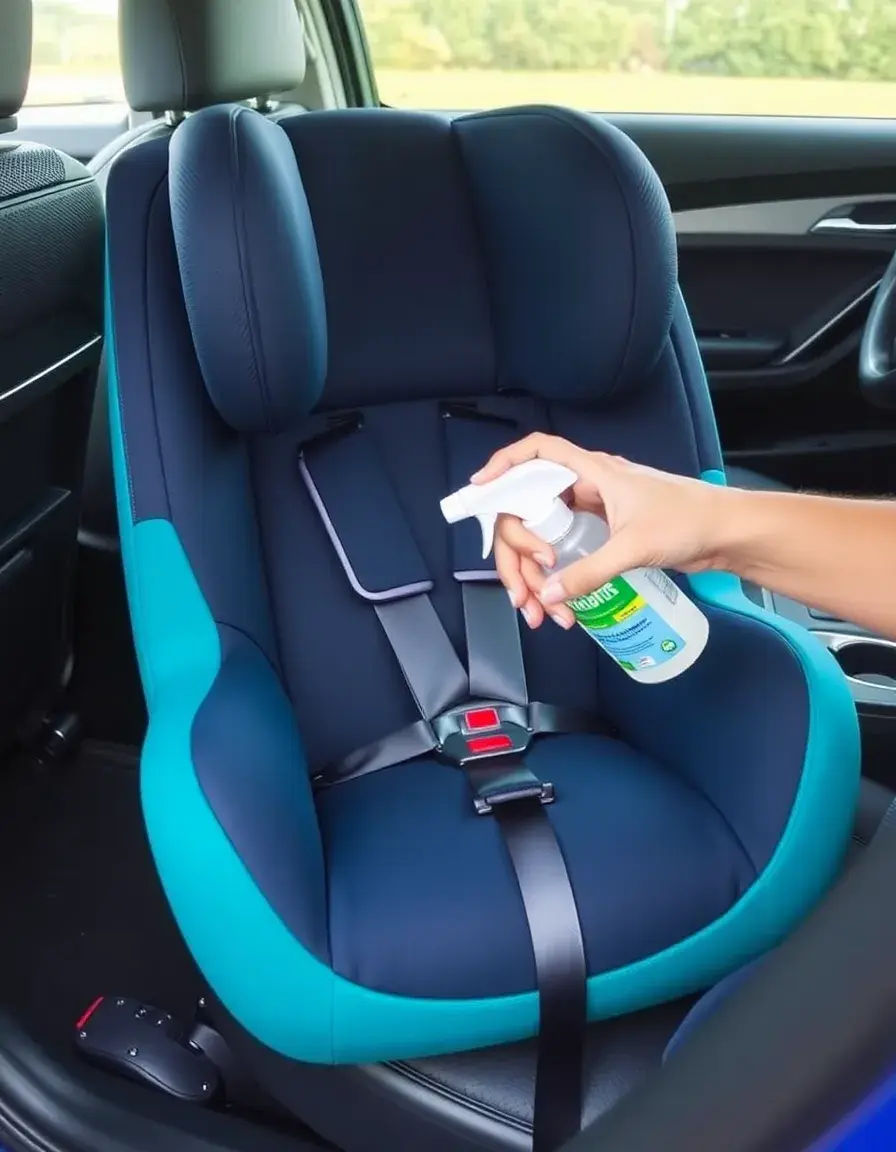
Safety first. This ensures you aren't stripping the life out of your premium hides.
Check Latest Price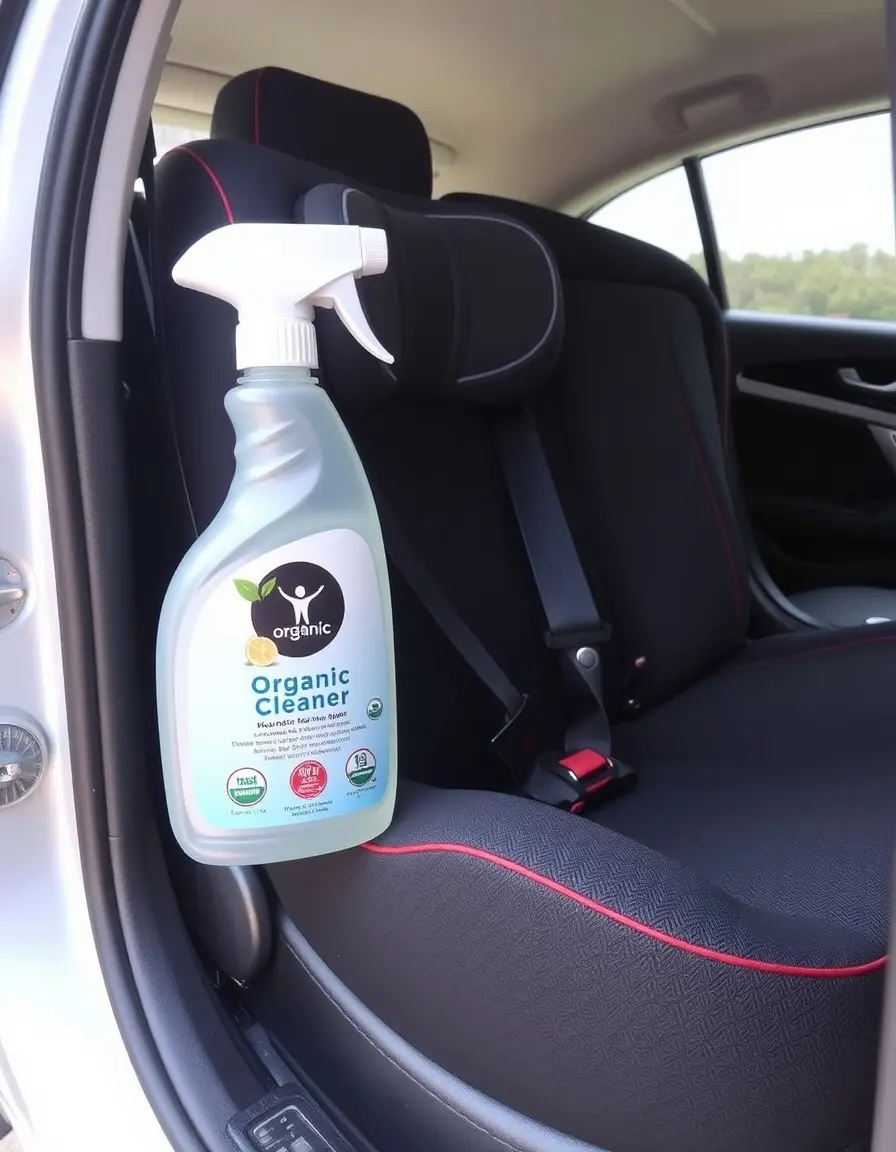
A great eco-friendly alternative for the conscious car owner.
Check Latest Price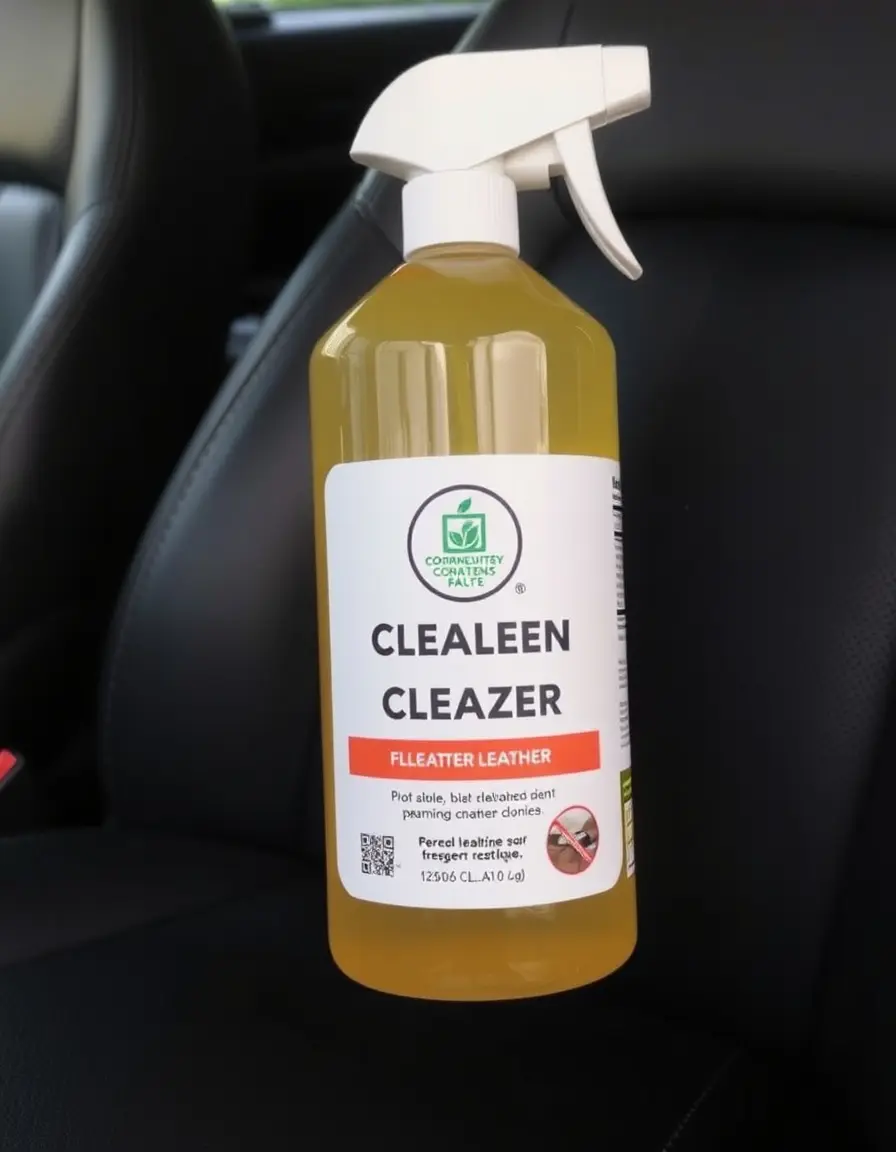
Tough on organic stains (like coffee or food) while remaining gentle on the surface.
Check Latest Price The all-in-one solution for those who want to start their detailing journey right.
Check Latest PriceCommon Mistakes to Avoid
I’ve made all the mistakes so you don’t have to. Here are the red flags I wish I knew years ago:
- Magic Erasers: Please, never. They are abrasive and will sand off the protective finish of your leather.
- Dish Soap: Too alkaline. It’ll dry out your seats faster than a desert sun.
- Saturated Cloths: If you see water soaking into the seams, stop. It can cause mold in the foam underneath.
Final Thoughts: Your Car, Your Investment
At the end of the day, learning how to clean leather car seats is about more than just aesthetics—it’s about preserving your investment. Whether you’re rocking best leather jackets or driving a car with a full leather interior, the rules of craftsmanship remain the same: respect the material, and it will reward you for years.
Don't be afraid to experiment with budget-friendly options from places like AliExpress for your tools and basic cleaners—just remember to read those reviews and keep an eye on the material descriptions. Your future self (and your car's resale value) will thank you.
Ready to become a Leather Pro?
Don't stop at the car! Explore our other guides to master the art of leather care.
Visit our Care & Maintenance Hub →
Leave a Reply