Have you ever bought a "leather" belt that started peeling like an onion after three months? Or maybe a sofa that felt like plastic despite the fancy price tag? I've been there, and honestly, it's frustrating. Let's talk about why full grain leather is the only choice if you want something that actually lasts.
If you’re here, you’re likely tired of the "Genuine Leather" marketing trap. You want the real deal—the kind of leather that smells like a vintage library, feels substantial in your hands, and actually looks better ten years from now. As a leather enthusiast who has spent more time in tanneries than in malls, I’m here to help you navigate the world of high-quality hides.
Why Full Grain Leather Is Worth the Splurge
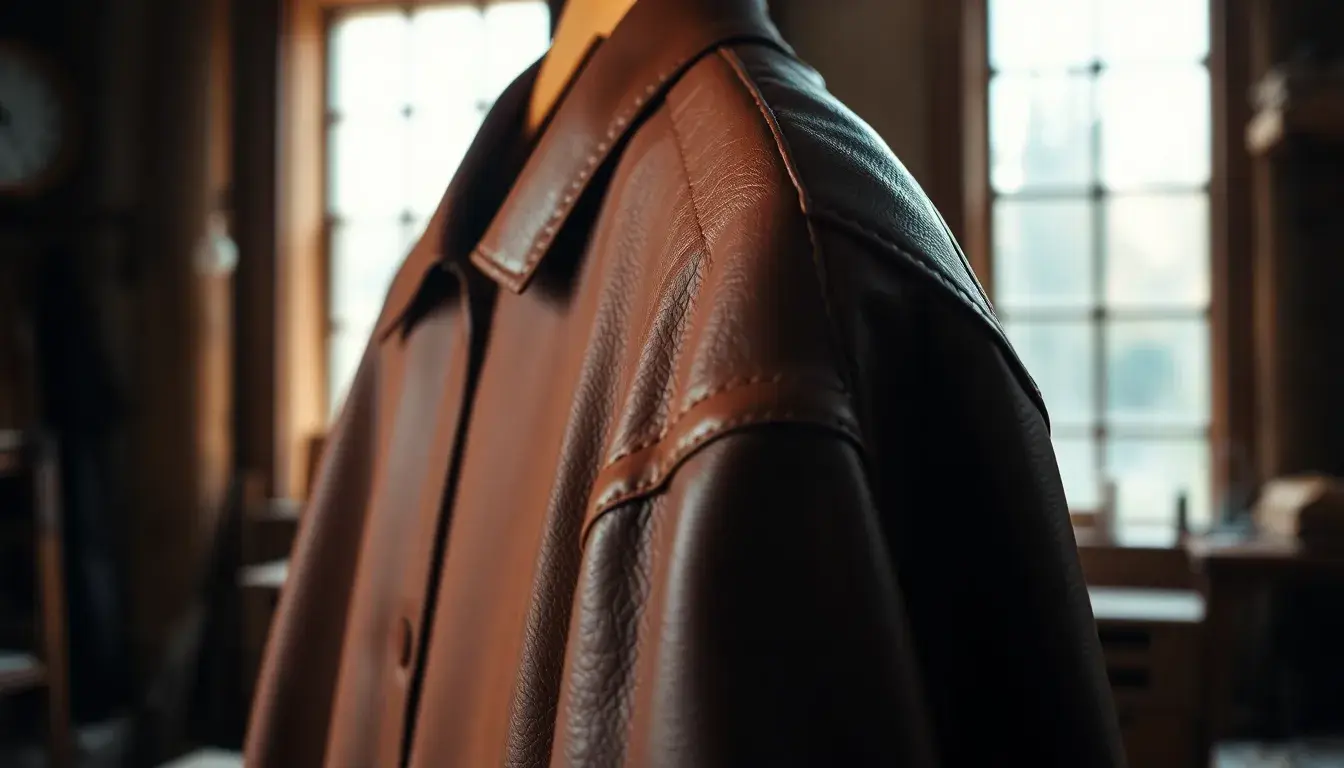
First off, what even is it? In the simplest terms, full grain leather is the top layer of the hide. It hasn't been sanded, buffed, or snuffed to remove natural marks or imperfections. Because the grain is left entirely intact, it contains the strongest fibers in the hide.
Most commercial "leather" is sanded down to look perfect (that's Top Grain) or made from the leftover scraps glued together (that's Bonded). Full grain keeps the "character"—the scars from a barbed-wire fence, the wrinkles from the neck, the unique life of the animal.
The Magic of the Patina
The biggest reason I tell my friends to invest in full grain? The patina. Unlike cheap materials that degrade, full grain leather absorbs the oils from your skin and the environment. Over time, it develops a glossy, darkened sheen that is completely unique to you. It’s like a visual diary of where you’ve been. (Pro tip: If you want to speed this up, just use your gear! Don't baby it.)
Understanding the Hierarchy: Full Grain vs. Top Grain
It’s easy to get confused when every tag says "Real Leather." Here is the quick breakdown I use when I'm out shopping:
- Full Grain: The gold standard. No sanding. Toughest, most breathable, and develops a patina.
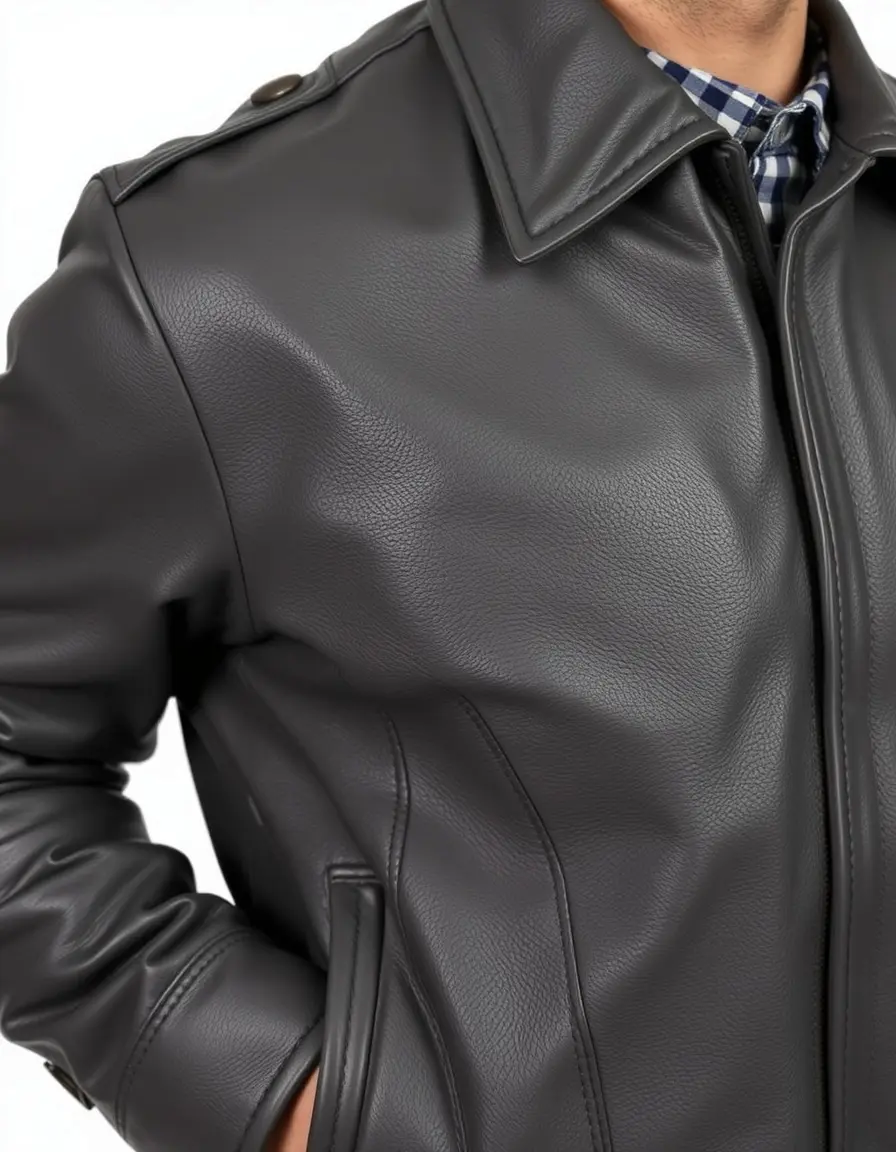
- Top Grain: Still high quality, but the very top layer has been sanded to remove "flaws." It’s thinner and more pliable but won't age quite as beautifully.
- Genuine Leather: This is a marketing term, not a quality statement. It usually refers to the lower layers of the hide (split leather) that have been heavily processed and painted to look like the top layer.
Expert Recommendations: Finding Quality on a Budget
I know what you're thinking: "Full grain sounds expensive." And usually, it is. But here’s a secret from a pro—you don't always have to go to a luxury boutique in Milan. Platforms like AliExpress have become a surprising resource for leather enthusiasts.
Now, let's be real—you aren't going to find a $4,000 bespoke heirloom piece there. But for fashion leather jackets, entry-level wallets, or rugged accessories, it's a goldmine if you know how to look. I’ve found some fantastic top-grain and even decent full-grain pieces that are perfect for daily wear without the "luxury tax."
Full Grain Leather Belt
A belt is the easiest way to test-drive full grain. Since it’s a single thick strip of leather, there’s no place for cheap fillers to hide. If you're curious about the durability, it's worth checking the current listing on AliExpress. Just double-check the material details to ensure it's not "split leather."
Check Latest Price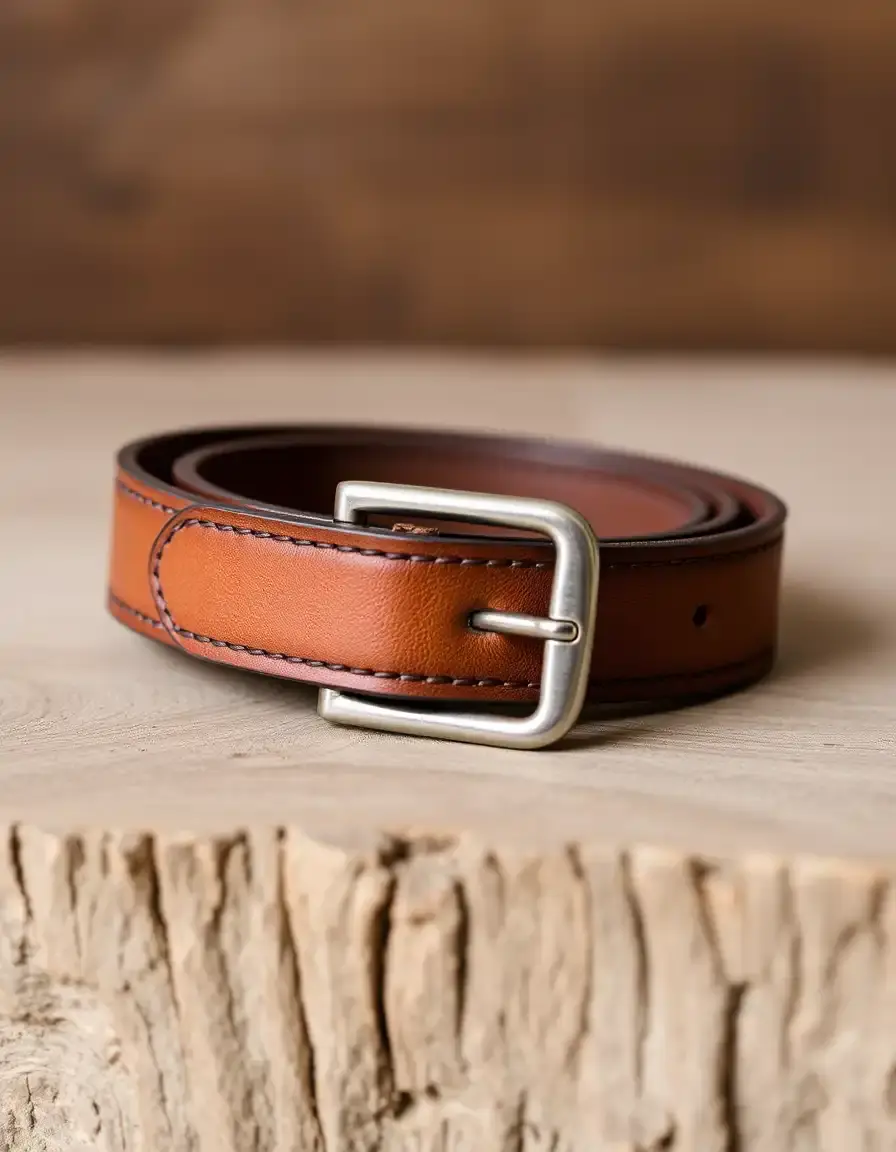
Full Grain Leather Wallet
Your wallet is in and out of your pocket 20 times a day. Cheap leather will crack at the folds. A full-grain wallet, however, will mold to your cards and soften over time. I’ve linked a well-reviewed option below—take a peek at the buyer photos to see how the leather looks in real life.
Peek at Details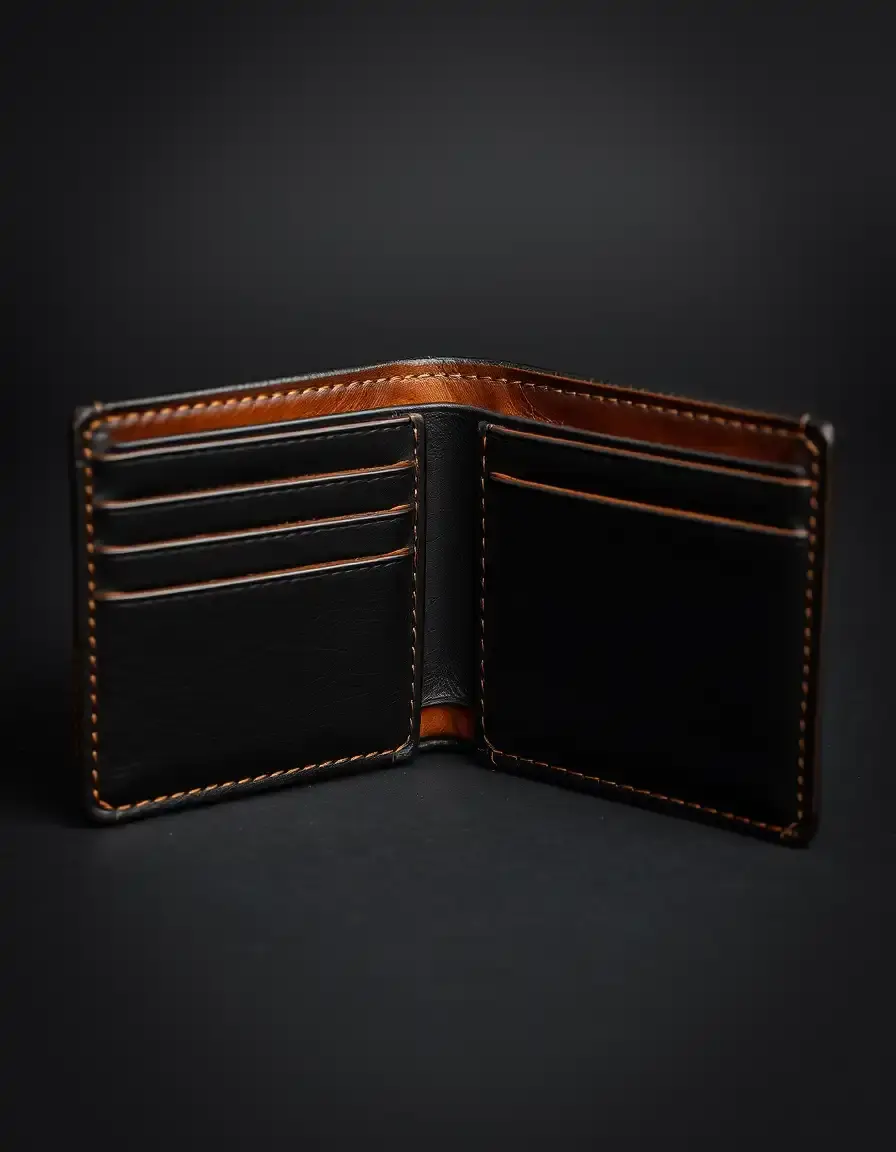
Full Grain Leather Bag
For a tote or briefcase, full grain provides the structural integrity you need for heavy laptops. While AliExpress is great for stylish, affordable options, always remember to read the recent reviews. Prices change often, so it's a good idea to see the latest info before deciding.
View on AliExpress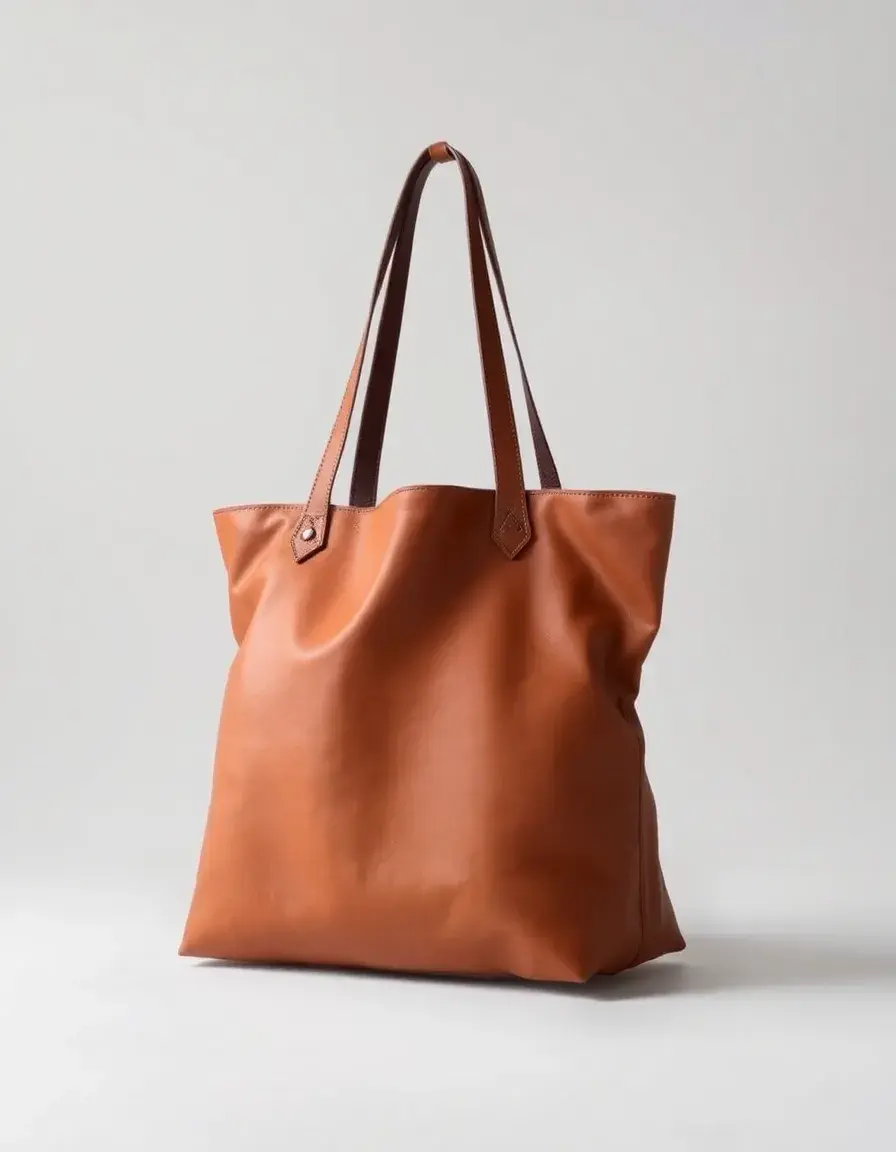
How to Spot the "Fake" Real Leather
When you're browsing, whether at a thrift store or online, use these three tests to see if you're actually getting full grain leather:
- The Pore Test: Look closely. Can you see tiny, irregular pores? If the surface is perfectly smooth like a plastic countertop, it’s likely been heavily coated or it's synthetic.
- The Scent: Real leather has a deep, earthy, somewhat sweet smell. If it smells like a new car or "chemical-y," stay away.
- The Edge: Look at where the leather is cut. Full grain will look like a solid piece with messy fibers. Fake leather often has a fabric or plastic backing.
A Word on Shopping Smarter
I love finding a deal as much as anyone. When shopping on sites like AliExpress, you are getting great variety and pricing. It's the perfect place for "trend" pieces. However, I always tell my readers: be a detective. Look for sellers who show close-up photos of the grain. If a deal seems too good to be true (like a "Full Grain" trench coat for $20), it probably is.
Full Grain Leather Shoes
Shoes endure the most "abuse" of any leather item. Full grain oxfords are breathable, meaning your feet won't feel like they're in a sauna. These are practical, stylish choices for someone starting their leather journey.
Check Availability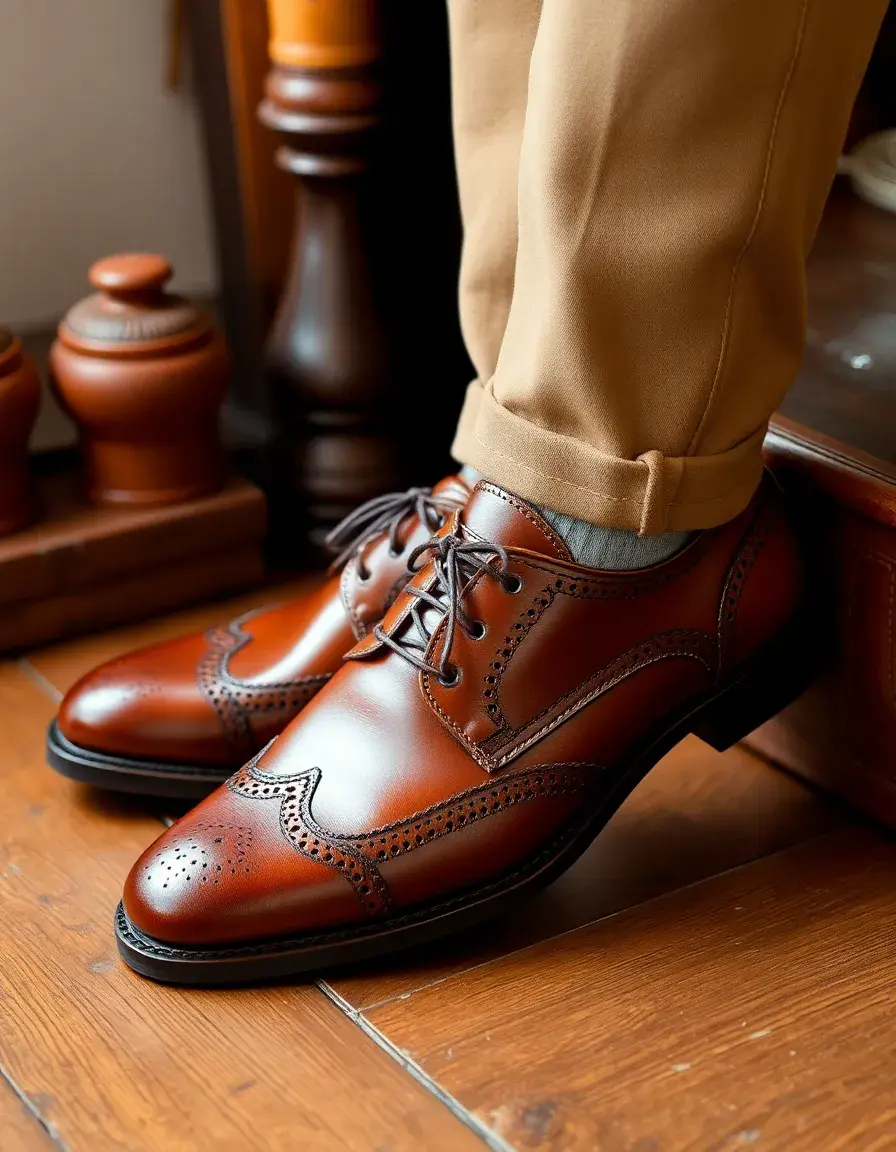
Leather Care 101: How to Make It Last Forever
You’ve bought the piece. Now, don't let it die! Full grain leather is remarkably resilient, but it does need a little love. Think of it like skin—because it is.
The Care Checklist:
- Keep it dry: If it gets wet, let it air dry. Never put it near a heater, or the leather will crack.
- Conditioning: Every 6-12 months, apply a high-quality leather balm. It keeps the fibers supple.
- Storage: Store your bags and jackets in a cool, dry place. Use a dust bag if you have one!
Ready to invest in leather that actually lasts?
Explore More Leather GuidesTransparency matters to us! LeatherFind may earn a small commission if you decide to purchase through our links. This helps us continue testing and researching the best leather goods for you, at no extra cost to your wallet.
Leave a Reply